Modern businesses operate in environments where speed matters. Equipment failures, safety incidents, security breaches, and operational disruptions can escalate quickly if they are not identified early. The longer an issue goes unnoticed, the more costly it becomes in terms of downtime, repairs, and risk exposure.
This is where remote video monitoring has emerged as a powerful tool. By providing continuous visual oversight across locations, assets, and operations, live video monitoring enables businesses to detect issues faster, respond more effectively, and prevent small problems from turning into major disruptions.
The Cost of Delayed Issue Detection
Many business issues do not start as emergencies. A piece of equipment runs hotter than usual. An unauthorized person enters a restricted area. A process deviates slightly from standard procedure. These early warning signs are often missed when monitoring relies solely on periodic checks or after-the-fact reports.
Delayed detection can lead to:
- Extended downtime and lost productivity
- Increased repair or replacement costs
- Safety incidents and compliance violations
- Reputational damage and client dissatisfaction
Remote monitoring reduces these risks by providing real-time visibility, allowing issues to be identified while they are still manageable.
Why Traditional Monitoring Methods Fall Short
Traditional monitoring methods rely heavily on manual inspections, scheduled walkthroughs, or employee reporting. While these approaches have value, they are limited by human availability and subjectivity.
Employees cannot be everywhere at once, and inspections happen only at fixed intervals. Issues that arise between checks may go unnoticed for hours or even days. In contrast, live video monitoring provides continuous coverage without requiring physical presence.
This constant visual awareness creates a more accurate and timely understanding of what is happening across operations.
How Remote Video Monitoring Works in Practice
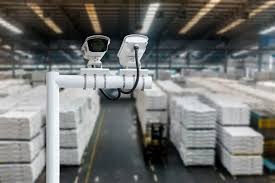
At its core, remote monitoring uses strategically placed cameras connected to centralized monitoring systems. These systems can be accessed in real time by internal teams or monitoring professionals who review footage, respond to alerts, and escalate concerns when necessary.
Modern systems often integrate with analytics and alerting tools that highlight unusual activity or deviations from normal patterns. This combination of visual data and intelligent monitoring accelerates issue detection and response.
Faster Detection Through Real-Time Visibility
One of the biggest advantages of video monitoring is real-time visibility. Instead of learning about problems after they have already caused damage, businesses can observe events as they unfold.
This real-time insight allows teams to:
- Identify operational bottlenecks as they occur
- Spot safety hazards before incidents happen
- Detect unauthorized access immediately
- Monitor equipment behavior visually
By seeing issues early, businesses gain valuable time to act.
Improving Safety Through Visual Oversight
Workplace safety depends on identifying risks before they lead to injuries. Slips, improper equipment use, and unsafe behavior often occur when supervision is limited.
Remote monitoring enhances safety by making it easier to identify unsafe conditions and intervene quickly. Visual oversight allows safety teams to observe patterns, address recurring issues, and reinforce best practices.
Over time, this proactive approach contributes to a stronger safety culture and fewer incidents.
Enhancing Operational Awareness Across Locations
For businesses with multiple sites, maintaining consistent oversight is challenging. Managers cannot physically be present everywhere, and communication delays can obscure issues.
Remote monitoring provides centralized visibility across locations, enabling decision-makers to monitor operations from a single interface. This unified view helps identify inconsistencies, inefficiencies, or emerging problems that might otherwise go unnoticed.
The result is faster decision-making and more consistent operational standards.
Detecting Equipment and Process Issues Early
Many operational issues begin with subtle visual cues. Equipment vibrations, leaks, improper loading, or workflow disruptions often appear visually before triggering alarms or failures.
With remote monitoring, teams can observe these early indicators and take corrective action before a breakdown occurs. This visual confirmation complements sensor data and maintenance schedules, creating a more complete monitoring strategy.
Early detection reduces downtime and extends asset life.
Reducing Reliance on Incident Reporting
Incident reporting typically occurs after a problem has already happened. Employees may be unaware of issues, reluctant to report them, or unable to provide accurate details.
Remote monitoring reduces reliance on retrospective reporting by capturing events as they occur. This provides objective visual evidence that supports faster investigation and resolution.
Having clear visual records also improves accountability and transparency.
Supporting Compliance and Documentation
Many industries face strict compliance requirements related to safety, security, and operations. Demonstrating compliance often requires detailed documentation.
Remote monitoring supports compliance by providing visual records that verify procedures were followed. When audits or investigations arise, businesses can reference footage to confirm timelines and actions.
This documentation strengthens compliance efforts and reduces risk exposure.
Improving Response Times Through Alerts and Escalation
Modern remote monitoring systems often include alerting capabilities that notify teams when predefined conditions are met. Alerts may be triggered by motion, restricted access, or unusual activity patterns.
These alerts enable faster escalation and response. Instead of discovering issues during routine reviews, teams are notified immediately and can act while the situation is still developing.
Faster response times translate directly into reduced impact.
Supporting Remote and Lean Teams
As businesses adopt leaner operational models, fewer staff are available for on-site supervision. Remote monitoring helps bridge this gap by extending oversight without increasing headcount.
Remote teams can monitor operations, coordinate responses, and support on-site staff efficiently. This scalability makes remote monitoring particularly valuable for growing or distributed organizations.
Balancing Visibility with Privacy and Trust
Effective implementation of remote monitoring requires clear policies and communication. Transparency about monitoring purposes and boundaries helps maintain trust among employees.
When used responsibly, visual monitoring focuses on safety, efficiency, and protection rather than surveillance for its own sake. Clear guidelines ensure that monitoring supports organizational goals without undermining workplace culture.
Long-Term Benefits of Faster Issue Detection
The impact of faster issue detection extends beyond immediate problem resolution. Over time, remote monitoring contributes to:
- Reduced downtime and operational disruptions
- Lower maintenance and repair costs
- Improved safety performance
- Stronger compliance posture
- Better decision-making based on real data
These benefits compound, improving overall business resilience.
Choosing the Right Remote Video Monitoring Approach
Not all solutions deliver the same value. When evaluating remote monitoring, businesses should consider coverage needs, integration with existing systems, alerting capabilities, and support services.
The right approach aligns with operational goals rather than simply adding more cameras. Thoughtful deployment ensures monitoring enhances performance rather than creating noise.
Final Thoughts
In today’s fast-moving business environment, waiting to discover problems after they occur is no longer viable. Early detection is one of the most effective ways to reduce risk, control costs, and maintain operational stability.
By providing continuous visibility and real-time insight, remote video monitoring enables businesses to detect issues faster and respond with confidence. When problems are seen early, they are easier to fix, less expensive to manage, and far less disruptive.
Remote visual monitoring is not just about watching operations. It is about understanding them in time to make better decisions.