Introduction: Streetwear as Cultural Language
Streetwear in Germany has evolved far beyond graphic hoodies and limited sneakers. It has become a cultural language that reflects identity, migration, music, and political consciousness. Within this evolving landscape, Denim Tears has emerged as a powerful symbol rather than just a fashion label. Originally founded by Tremaine Emory, Denim Tears resonates strongly in denim tears Germany because its themes of heritage, resistance, and storytelling align with the country’s own complex social and cultural dynamics. The rise of Denim Tears within Germany’s streetwear movement highlights how fashion can serve as both expression and conversation.
The Origins of Denim Tears and Its Global Impact
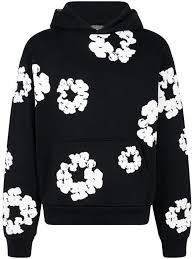
Denim Tears was created with a clear mission: to use clothing as a canvas for historical memory and cultural truth. The brand is deeply rooted in African American history, often referencing themes of slavery, diaspora, and resilience through symbolism such as cotton wreaths and carefully chosen materials. While its origins are American, Denim Tears quickly transcended borders because its message is universal. In Germany, where conversations around race, migration, and identity are increasingly visible, the brand found a receptive audience that values meaning as much as aesthetics.
Why Denim Tears Resonates in Germany
Germany’s streetwear community has long been influenced by American hip-hop culture, but it has also developed its own identity shaped by Turkish-German, African-German, Arab, and Eastern European communities. Denim Tears speaks to these layered identities. The brand’s emphasis on history and systemic struggle mirrors experiences felt by many marginalized communities in Germany. Wearing Denim Tears is not just about style; it is about acknowledging history, questioning power structures, and embracing cultural pride. This depth is what separates the brand from more commercially driven streetwear labels.
Berlin: The Cultural Engine of the Movement
Berlin plays a central role in Denim Tears’ influence in Germany. Known for its underground art scenes, political activism, and experimental fashion culture, Berlin provides fertile ground for a brand rooted in storytelling. Denim Tears fits naturally within the city’s ethos of rebellion and self-expression. Independent boutiques, pop-up events, and concept stores in Berlin have embraced the label, positioning it alongside avant-garde designers and culturally conscious brands. In this environment, Denim Tears is not treated as hype-driven fashion but as wearable art with a message.
Streetwear, Identity, and Youth Culture
Germany’s younger generation is redefining what streetwear represents. It is no longer just about trends but about values. Denim Tears appeals to this mindset because it encourages wearers to think critically about history and identity. Young creatives, musicians, and artists in Germany often integrate the brand into their personal style as a statement of awareness. Through social media, styling Denim Tears has become a way to signal cultural literacy and solidarity rather than status alone.
Music, Art, and Creative Communities
The influence of Denim Tears in Germany cannot be separated from music and art. German hip-hop, grime, and experimental electronic scenes often intersect with streetwear culture. Artists and creatives who wear Denim Tears contribute to its visibility while reinforcing its cultural significance. The brand’s presence at gallery openings, underground concerts, and creative gatherings strengthens its association with intellectual and artistic spaces. In this way, Denim Tears becomes part of a broader cultural ecosystem rather than existing solely within fashion retail.
The Role of Conscious Consumption
German consumers are increasingly interested in ethical and conscious fashion. While Denim Tears is not positioned as a traditional sustainability brand, its emphasis on meaning over mass production aligns with conscious consumption values. Limited releases encourage intentional purchasing rather than overconsumption. For German streetwear enthusiasts, owning a Denim Tears piece often feels like investing in a narrative rather than following seasonal trends. This approach resonates strongly in a market that values quality, authenticity, and purpose.
Denim Tears and the Politics of Fashion
Fashion in Germany has always carried political undertones, from punk movements to anti-fascist symbolism. Denim Tears naturally fits into this tradition. The brand challenges wearers to confront uncomfortable histories and ongoing inequalities. In a German context, where historical accountability is a national conversation, Denim Tears’ honest engagement with the past feels particularly relevant. It demonstrates how streetwear can be a platform for dialogue rather than escapism.
Influence on Local German Brands
The presence of Denim Tears has also influenced local German streetwear labels. Designers are increasingly inspired to incorporate storytelling, heritage, and social commentary into their collections. Rather than copying aesthetics, many brands are adopting the philosophy that clothing should stand for something. Denim Tears has helped shift the focus from purely visual design to conceptual depth, encouraging a more mature and reflective streetwear culture within Germany.
The Future of Denim Tears in Germany
As Germany’s streetwear scene continues to grow, Denim Tears is likely to maintain its position as a cultural reference point rather than a fleeting trend. Its relevance does not depend on constant releases but on the strength of its message. In a Denim Tears Hoodie fashion landscape that often moves too fast, Denim Tears offers something slower and more intentional. Its continued influence will likely shape how German streetwear evolves, pushing it toward greater cultural awareness and global connection.
Conclusion: More Than a Brand
Inside Germany’s streetwear movement, Denim Tears represents more than clothing. It symbolizes how global narratives can intersect with local experiences, creating fashion that speaks across borders. By blending history, identity, and design, Denim Tears has found a meaningful place within Germany’s cultural fabric. Its success proves that streetwear can be intellectually engaging, socially relevant, and deeply personal. In Germany, Denim Tears is not just worn; it is understood.