Headlight Restoration vs. Replacement: Making the Right Call for Your Vehicle

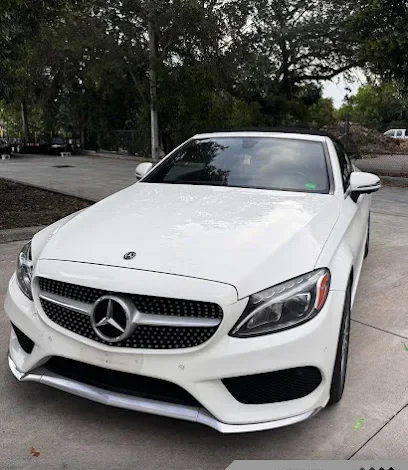
Why Headlights Lose Clarity Over Time
Most modern headlights are made from polycarbonate plastic. It’s durable and impact-resistant, but it relies heavily on a thin protective coating to shield it from UV rays. Once that coating breaks down, oxidation forms quickly.
Common causes include:
- Constant sun exposure
- Road salt and chemical residue
- Automatic car washes with abrasive brushes
- Skipping any kind of protective treatment
A personal observation: many people unknowingly accelerate headlight damage by using household cleaners or aggressive scrubbing pads. The headlights may look better briefly, but the damage underneath worsens.
What Headlight Restoration Actually Does
Headlight restoration focuses on correcting the surface of the lens. Think of it as paint correction for plastic. The process removes the oxidized layer and refines the surface until clarity returns.
A professional-level restoration typically involves:
- Controlled wet sanding in multiple stages
- Machine polishing to refine clarity
- Applying a UV-resistant sealant or coating
When done properly, restoration doesn’t just improve appearance—it restores proper light output and beam pattern.
When Restoration Is the Right Choice
Restoration is usually effective when:
- The cloudiness is on the outer surface
- There are no cracks or structural damage
- The lens isn’t excessively thinned from past repairs
In these cases, restored headlights often look close to new.
Real-World Insight
I’ve lost count of how many vehicle owners assumed replacement was inevitable, only to be surprised by how much clarity restoration brought back. The difference can be dramatic, especially when oxidation is the main issue.
The Limitations of Restoration
Restoration has its limits, and it’s important to be realistic about them.
Restoration may not be the best option if:
- The lens has deep cracks or spider-webbing
- Moisture is trapped inside the housing
- The lens was aggressively sanded in the past
In these situations, clarity might improve temporarily, but durability and safety become concerns.
Insider Tip #1: Look Beyond the Surface
Before committing to restoration, inspect the headlight from multiple angles in direct sunlight. If haze appears to be inside the lens rather than on the surface, restoration won’t fully resolve the issue.
What Headlight Replacement Involves
Replacement means installing an entirely new headlight assembly. Depending on the vehicle, this can range from simple to surprisingly complex.
Replacement provides:
- Brand-new optical clarity
- Fresh seals and mounting points
- A clean slate for UV protection
However, replacement can involve bumper removal, sensor recalibration, or electrical programming—especially on newer vehicles.
When Replacement Makes More Sense
Replacement is typically the better option when:
- The lens is cracked or broken
- Water intrusion keeps returning
- Mounting tabs are damaged
- Advanced lighting systems are involved
On vehicles with adaptive headlights or integrated LEDs, replacement is sometimes the only practical solution.
Safety and Visibility: The Bigger Picture
While appearance gets most of the attention, visibility is the real concern. Oxidized headlights scatter light, reducing effective illumination and increasing glare for other drivers.
Restored headlights significantly improve visibility when oxidation is the main issue. Replacement goes further when structural or internal damage affects light output.
Longevity: Which Option Holds Up Better?
Longevity depends less on restoration versus replacement and more on aftercare.
Restored headlights can last years if:
- A quality UV coating is applied
- Harsh chemicals are avoided
- The vehicle is washed using safe methods
Replacement headlights will also degrade if left unprotected. New plastic doesn’t mean permanent clarity.
Insider Tip #2: Maintenance Beats Perfection
I’ve seen well-maintained restored headlights outlast neglected replacements. A quick protective top-up once or twice a year can make a noticeable difference.
Environmental Considerations
Restoration has an often-overlooked advantage: sustainability. Restoring existing headlights reduces plastic waste and avoids the environmental cost of manufacturing new assemblies.
For drivers who prefer to repair rather than replace when possible, restoration aligns well with that mindset.
How Headlights Affect Overall Vehicle Appearance
Headlights play a larger role in a vehicle’s look than most people realize. Clear lenses make the entire front end appear sharper and more modern, while hazy headlights undermine even the best exterior work.
This becomes especially noticeable when vehicles undergo visual upgrades or branding. According to detailing professionals in South Florida, exterior improvements look incomplete if headlights are overlooked. This principle is often mentioned alongside guides on boynton beach florida commercial wraps, where finish consistency and visual clarity are critical to the final result.
Asking the Right Questions Before Deciding
Instead of defaulting to replacement or assuming restoration is enough, consider:
- Is the damage cosmetic or structural?
- Is the haze on the surface or inside the housing?
- How long do I plan to keep the vehicle?
- Am I willing to maintain the headlights afterward?
Honest answers usually point to the correct solution.
Final Thoughts: Restoration vs. Replacement
Headlight restoration and replacement aren’t competing services—they’re solutions for different conditions. Restoration is ideal for surface-level oxidation and often delivers impressive results when done correctly. Replacement is necessary when damage goes beyond what correction can safely fix.
Also read for more information so click here.