Paint Depth Measurement Explained: What It Tells You About a Vehicle’s Past and Future

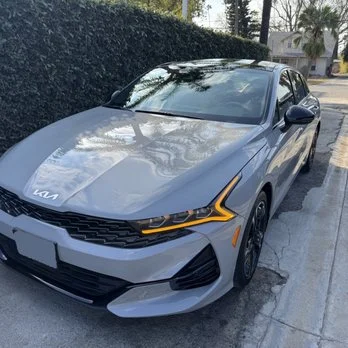
What Is Paint Depth Measurement?
Paint depth measurement refers to checking the thickness of the paint layers applied to a vehicle’s body panels. These layers usually include primer, base coat (color), and clear coat. Together, they form a protective and cosmetic barrier over the metal or composite underneath.
The measurement is typically taken in microns using a handheld gauge. While the numbers may vary by manufacturer, consistency across panels is often more important than the exact reading.
Why Paint Depth Matters More Than People Think
Many people assume paint thickness is only relevant to high-end detailing or car collectors. In reality, it has everyday implications.
Paint depth measurement helps identify:
- Previous repainting or bodywork
- Areas that have been polished aggressively
- Panels that may have filler underneath
- Potential weak points for future correction
One common mistake I see is people polishing paint repeatedly without ever measuring it. Over time, this can thin the clear coat enough to cause premature failure, even though the surface still looks shiny.
How Paint Depth Is Measured
Paint Thickness Gauges Explained
Modern paint depth gauges are non-invasive tools that measure thickness using magnetic or ultrasonic principles, depending on the surface material.
They are designed to:
- Read paint thickness without damaging the surface
- Work on steel, aluminum, or composite panels
- Provide quick, repeatable readings
While professional-grade gauges offer more precision, even basic models can reveal important patterns when used correctly.
What the Numbers Mean in Practice
Rather than focusing on one reading, professionals look at trends.
For example:
- Consistent readings across panels usually indicate original paint
- Sudden jumps in thickness can suggest repainting or filler
- Extremely thin areas may have been over-polished
It’s not about memorizing exact factory numbers. It’s about understanding what “normal” looks like for that specific vehicle.
Paint Depth and Collision Repair
Paint depth measurement is especially useful after collision repairs. Even well-executed bodywork can leave behind subtle variations in paint thickness.
In repair evaluations, paint depth readings can:
- Confirm whether panels were repainted
- Highlight blended areas between panels
- Reveal structural repair zones that were refinished
This connects closely with broader repair assessments, such as structural alignment. Professionals often consider paint depth data alongside frame and body alignment information, as explained in this guide on Upper body alignments in pasadena ca, where surface condition and underlying structure are evaluated together rather than in isolation.
Common Areas Where Paint Thickness Varies
Not all variation is a red flag. Certain areas naturally show differences.
Typical examples include:
- Edges and body lines, which often have thinner paint
- Repainted bumpers, which may differ from metal panels
- Factory blend zones between panels
Understanding these normal variations helps avoid false conclusions during inspections.
Insider Tip: Measure Before You Polish
Here’s an insider tip that saves paint in the long run: always measure before heavy polishing or paint correction. It takes minutes and provides a clear safety margin.
Once clear coat is removed, it can’t be replaced without repainting. Measuring first allows you to adjust your approach—lighter polishing where paint is thin, more correction where depth allows.
Paint Depth vs Visual Inspection
Visual inspection alone can be misleading. Modern paint materials and techniques can hide repairs extremely well.
I’ve personally inspected vehicles that looked untouched but showed double the paint thickness on one quarter panel. Without measurement, that history would have gone unnoticed.
Paint depth measurement doesn’t replace visual inspection—it enhances it.
Used Car Evaluations and Paint Thickness
For buyers and sellers, paint depth measurement offers transparency.
It helps:
- Buyers understand a vehicle’s repair history
- Sellers explain past repairs honestly
- Inspectors support findings with data
This is especially valuable in private sales, where documentation may be limited.
Limitations of Paint Depth Measurement
Like any tool, paint depth gauges have limits.
They can’t:
- Identify the quality of underlying bodywork
- Detect repairs on plastic panels without special sensors
- Replace professional judgment
Paint depth data should always be interpreted in context, not taken as absolute proof on its own.
Insider Tip: Compare Symmetry, Not Just Thickness
Another practical tip is to compare symmetrical panels. For example, compare the left and right doors or fenders. Significant differences often point to repair work, even if both readings fall within a “normal” range individually.
This side-by-side comparison is one of the quickest ways to spot inconsistencies.
Paint Depth and Long-Term Vehicle Care
Knowing paint thickness helps guide future maintenance decisions. Thin areas may need gentler washing, reduced polishing, or added protection. Thicker areas might tolerate correction better but still require thoughtful care.
Paint depth measurement turns maintenance from guesswork into informed decision-making.
When Measurement Becomes Especially Important
Paint depth readings are particularly useful when:
- Buying or selling a used vehicle
- Preparing for paint correction or ceramic coating
- Evaluating post-collision repairs
- Documenting vehicle condition over time
In these scenarios, the small investment of time pays off in clarity.
Final Thoughts: Reading Between the Layers
Paint depth measurement isn’t about chasing perfect numbers. It’s about understanding what the surface is telling you about the vehicle’s past and how it should be treated moving forward.
Used correctly, it protects paint, guides repairs, and adds confidence to inspections. Whether you’re a detailer, a buyer, or simply a careful owner, learning to read paint depth is like learning a new language—one that reveals far more than shine ever could.
Also read for more information so click here.