Adjustable Lifting Beam: A Key Tool for Efficient and Safe Lifting Operations

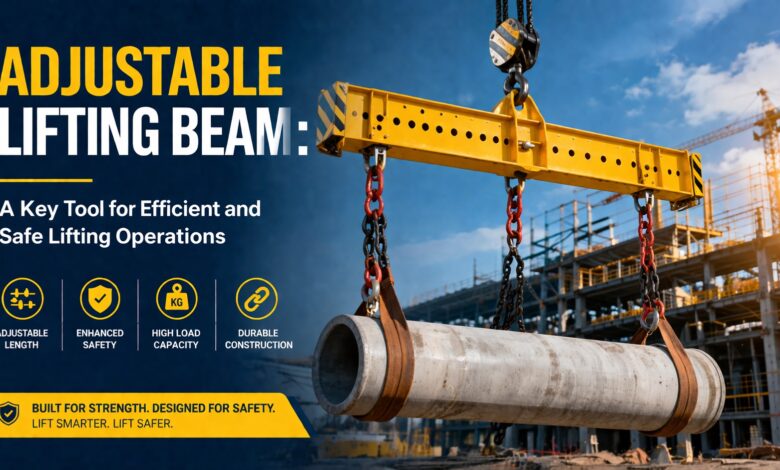
An Adjustable Lifting Beam is an essential tool for lifting heavy loads with precision and safety. Used in a wide range of industries, from construction to manufacturing, an adjustable lifting beam is a versatile piece of lifting equipment designed to provide stability and flexibility when handling loads of varying sizes and weights. Whether lifting large machinery, steel beams, or other heavy items, this type of lifting beam is designed to make the process more efficient, safer, and easier to manage.
At its core, an adjustable lifting beam allows the user to adjust the width between lifting points, making it suitable for handling loads of various dimensions. The ability to customize the length of the beam ensures it can accommodate a wide variety of loads, allowing for more flexible and safe lifting operations. When selecting lifting equipment, it’s important to choose reliable and high-quality sources. One such supplier is represented at this URL: https://www.jsxingsheng.com/en/, offering a range of adjustable lifting beams designed for robust performance in diverse lifting scenarios.
What is an Adjustable Lifting Beam?
An adjustable lifting beam is a lifting device used in conjunction with cranes or hoists to safely and efficiently lift heavy loads. Unlike fixed lifting beams, which are designed for a specific load size, adjustable lifting beams can be customized to fit the load being lifted by adjusting the distance between the lifting points.
Typically made from durable materials such as steel, adjustable lifting beams are robust enough to handle a range of weights. They can be adjusted manually or with mechanical assistance, making them ideal for lifting loads of different sizes. Adjustable lifting beams can be used in various configurations, such as a single point lift or multiple point lifts, depending on the complexity and size of the load.
Benefits of Using an Adjustable Lifting Beam
1. Flexibility in Load Handling
One of the main benefits of an adjustable lifting beam is its flexibility. The adjustable feature allows the beam to accommodate loads of different sizes and shapes. This is particularly useful in industries where the dimensions of the loads vary frequently. Whether you’re lifting narrow pipes, wide panels, or heavy machinery, an adjustable beam can be easily configured to suit the task at hand.
2. Enhanced Safety
Using an adjustable lifting beam enhances safety by ensuring the load is distributed evenly across the lifting points. By maintaining balance, the beam reduces the risk of the load tipping, swaying, or causing damage to surrounding structures or equipment. This helps prevent accidents that can result from unstable loads during lifting operations.
3. Reduced Risk of Damage to the Load
When lifting heavy and delicate items, the risk of damaging the load is always a concern. Adjustable lifting beams help mitigate this risk by providing even support, preventing the load from being subject to concentrated stress points. This is particularly important when lifting sensitive equipment, materials, or finished products that could be damaged by improper lifting methods.
4. Increased Productivity
The ability to adjust the beam for different load sizes makes it a versatile tool that can be used for multiple types of lifting operations. This versatility increases productivity, as workers can use the same beam for different tasks without needing to switch to other equipment. With fewer changes in equipment setup, the lifting process becomes faster and more efficient.
Common Applications of Adjustable Lifting Beams
1. Construction
In the construction industry, adjustable lifting beams are commonly used to lift large concrete panels, steel beams, and other structural components. These beams ensure that heavy materials are lifted safely, minimizing the risk of damage and maximizing the efficiency of construction projects. Their ability to handle various load sizes and configurations makes them ideal for use on construction sites.
2. Manufacturing
Manufacturers often use adjustable lifting beams to move heavy machinery, equipment, and assembly parts. These beams help ensure that parts are lifted securely and that the lifting process remains efficient, particularly in environments where production schedules are tight and quick turnaround times are crucial.
3. Logistics and Shipping
In logistics and shipping operations, adjustable lifting beams are used for loading and unloading containers, machinery, and heavy cargo. The ability to adjust the beam’s length ensures that it can accommodate a wide variety of cargo sizes and types, making it an invaluable tool in shipping warehouses and distribution centers.
4. Offshore and Marine Operations
Adjustable lifting beams are also utilized in offshore and marine operations to lift heavy equipment such as ship parts, offshore platforms, and large containers. These beams are ideal for handling bulky items in environments where stability and safety are paramount, such as shipyards or offshore oil rigs.
How to Choose the Right Adjustable Lifting Beam
When selecting an adjustable lifting beam, there are several factors to consider to ensure it meets the needs of your lifting operations:
1. Load Capacity
The load capacity of the beam is one of the most important factors to consider. It is crucial that the adjustable lifting beam is rated for the weight of the loads you intend to lift. Overloading the beam can lead to equipment failure, accidents, and damage to the load. Always ensure the beam’s capacity exceeds the weight of the heaviest load you plan to lift.
2. Adjustment Mechanism
The adjustment mechanism plays a critical role in the ease of use of the beam. Some adjustable lifting beams use a manual mechanism, while others are equipped with hydraulic or mechanical adjustment systems. Depending on the complexity and frequency of the lifting tasks, you should choose a beam with an adjustment mechanism that suits your needs.
3. Material and Construction
The material and construction of the beam determine its strength, durability, and resistance to environmental factors. Most adjustable lifting beams are made from steel due to its high strength and reliability. However, beams can also be coated or made from corrosion-resistant materials if they will be used in harsh environments, such as marine or chemical industries.
4. Safety Features
Look for adjustable lifting beams that include safety features such as locking mechanisms, load indicators, and overload protection systems. These features help ensure that the beam remains securely in place during lifting operations and that workers are alerted if the load exceeds safe limits.
Proper Maintenance of Adjustable Lifting Beams
To ensure that your adjustable lifting beam operates safely and efficiently, regular maintenance and inspections are necessary:
1. Regular Inspections
Before each use, inspect the beam for signs of wear, corrosion, or damage. Check the adjustment mechanism, lifting points, and locking features to ensure they are functioning properly. If any issues are found, repair or replace the equipment before use.
2. Clean and Lubricate
Keep the adjustable lifting beam clean and free from dirt, debris, and other contaminants that could interfere with its operation. Regularly lubricate the moving parts of the beam to ensure smooth adjustment and operation.
3. Load Testing
Perform load testing on the beam periodically to ensure it continues to meet its rated capacity. Load testing should be done according to the manufacturer’s recommendations to maintain the beam’s reliability and safety.
Conclusion
An adjustable lifting beam is a versatile and essential tool for lifting heavy loads safely and efficiently. Its ability to adjust to different load sizes and configurations, combined with its safety features and load distribution capabilities, make it ideal for a wide range of industries, including construction, manufacturing, logistics, and offshore operations. By selecting the right beam for your needs, maintaining it properly, and using it safely, you can improve the efficiency of your lifting operations and ensure the safety of your workers and equipment.