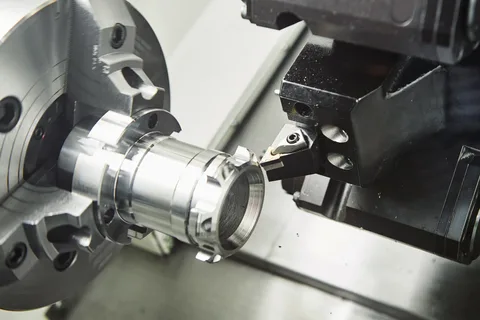
Custom CNC turning has become an essential process in modern manufacturing, offering precision, efficiency, and versatility. Whether producing intricate components for automotive, aerospace, or medical industries, achieving optimal results requires careful planning and attention to detail. Despite its advantages, many projects suffer from common mistakes that compromise quality, increase costs, and lead to project delays. In this article, we will explore these pitfalls and provide insights to help you avoid them, ensuring your custom CNC turning projects achieve the best outcomes.
Poor Material Selection
Choosing the wrong material is one of the most common mistakes in custom CNC turning. Each material, whether aluminum, stainless steel, brass, or plastic, reacts differently to machining processes. Factors such as hardness, tensile strength, and thermal conductivity directly influence tool wear, cutting speed, and surface finish. Selecting an inappropriate material can lead to excessive tool wear, poor surface quality, and even part failure during use.
Additionally, overlooking material availability or cost can lead to project delays or budget overruns. Manufacturers must evaluate material characteristics in relation to the desired part functionality and production requirements. Collaborating with experienced suppliers or CNC specialists can help identify the most suitable material, minimizing production challenges and ensuring a high-quality finished product.
Inaccurate Design and CAD Models
Another frequent error is relying on inaccurate design specifications or poorly developed CAD models. The success of custom CNC turning projects heavily depends on precise digital designs that guide the machine. Minor errors in dimensions, tolerances, or angles can result in parts that do not fit or function correctly, leading to costly rework.
Moreover, overlooking design considerations for manufacturability can create unnecessary challenges. Features such as deep cavities, sharp internal corners, or thin walls can complicate machining. By using detailed CAD models with proper tolerances and collaborating with CNC engineers during the design phase, manufacturers can identify potential issues early and prevent errors during production.
Improper Tooling and Equipment Use
Custom CNC turning demands the correct selection and use of cutting tools and equipment. Using inappropriate tools, such as incorrect tool geometry or cutting speeds, can lead to excessive wear, poor surface finish, and even tool breakage. Many beginners underestimate the importance of tooling, assuming one-size-fits-all tools are sufficient for all materials and operations.
Additionally, neglecting proper machine calibration and maintenance can cause inaccuracies in part dimensions. Regularly inspecting, cleaning, and calibrating CNC machines ensures precision and reduces downtime. Investing in high-quality tooling and maintaining equipment properly helps avoid common machining errors, increases productivity, and guarantees better results in custom CNC turning projects.
Ignoring Cutting Parameters and Speeds
Cutting parameters, including spindle speed, feed rate, and depth of cut, play a critical role in custom CNC turning. Many projects fail because operators do not optimize these parameters for the specific material and geometry. Incorrect speeds or feeds can lead to excessive heat, tool wear, and poor surface quality, negatively impacting the final product.
Moreover, failing to account for material-specific considerations, such as thermal expansion or chip formation, can result in inconsistencies and potential part rejection. Utilizing software simulations, tool manufacturers’ recommendations, and empirical testing can help establish ideal cutting conditions. By carefully monitoring and adjusting cutting parameters, operators can ensure efficiency, precision, and superior part quality.
Insufficient Quality Control and Inspection
Skipping or inadequately performing quality control checks is a critical mistake in custom CNC turning. Even minor deviations from specified tolerances can compromise the functionality and reliability of a part. Relying solely on visual inspection or neglecting precision measurement tools increases the risk of defects going unnoticed.
Implementing a structured quality control process, including in-process inspections, dimensional verification, and surface finish checks, ensures that parts meet required specifications. Using tools such as micrometers, calipers, and coordinate measuring machines (CMMs) can detect errors early and reduce rework or scrap. By prioritizing quality control, manufacturers can maintain consistency, meet client expectations, and enhance the reputation of their custom CNC turning services.
Conclusion
Custom CNC turning offers unparalleled precision and efficiency, but avoiding common mistakes is crucial for successful projects. From material selection to quality control, each stage of the process requires careful attention and expertise. Poor material choices, inaccurate CAD models, improper tooling, incorrect cutting parameters, and insufficient inspections are mistakes that can easily be prevented with proper planning and knowledge.
By understanding these pitfalls and implementing best practices, manufacturers can achieve superior results, reduce costs, and maintain a competitive edge in the industry. Emphasizing careful preparation, equipment maintenance, and rigorous quality control ensures that your custom CNC turning projects consistently meet the highest standards. In an industry where precision is paramount, avoiding these mistakes is the key to success.