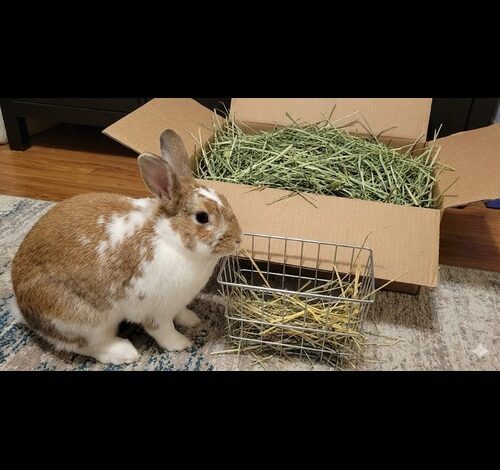
As we move through 2025, veterinary experts continue to emphasize one crucial truth: a rabbit’s diet is the foundation of their health, and hay for rabbit plays a key role. Recent insights from rabbit-savvy vets show that improper feeding, especially the lack of high-quality hay, leads to many common health problems. These include gastrointestinal (GI) stasis, a serious condition where the digestive system slows or stops. Imagine your bunny happily bouncing around a big pile of fresh hay—that’s the picture of a joyful, healthy pet. Yet many well-intentioned owners overlook this vital step, resulting in avoidable issues.
In this guide, we’ll discuss the top 7 common mistakes bunny owners make with hay, supported by 2025 expert recommendations from groups like the House Rabbit Society and veterinary sources. We’ll also offer simple solutions to help improve your rabbit’s gut health, energy levels, and overall well-being. Hay for animals isn’t just “filler” in their bowl; it’s essential for proper digestion, natural tooth wear, and preventing obesity—topics that are trending in rabbit care communities this year.
Quality hay mimics rabbits’ natural grazing habits, allowing them to nibble constantly and keep everything moving smoothly. By tackling these mistakes directly, you’ll gain fresh, vet-approved tips to make hay a star in your bunny’s daily routine. Let’s explore these common errors so you can help your rabbit enjoy a longer, happier life.
Key Benefits of Prioritizing Hay for Rabbit
- Supports hindgut fermentation for nutrient absorption
- Prevents painful dental overgrowth
- Reduces the risk of obesity and related problems
- Encourages natural foraging behaviors for mental stimulation
With unlimited access to the right hay for rabbits, most rabbits thrive on a diet that’s 80–90% fiber-rich grasses. Ready to improve your bunny’s meals? Let’s get started.

Mistake #1: Serving Stale or Low-Quality Hay
New bunny parents often buy dusty, musty bargain hay that rabbits won’t eat—it’s like giving a chef stale crackers. Rabbits with sensitive noses turn to pellets instead, leading to picky eating. This lack of vital fiber causes malnutrition, soft stools, lethargy, and overgrown teeth. Early 2025 owner forums and vet reports indicate this is a typical cycle that results in health problems.
✅ Fix It:
Switch to vibrant, sweet-smelling Timothy or orchard grass from trusted Online pet supplies stores like Kwik Pets or Oxbow. Store it in airtight bins in cool, dry places and refresh daily.
Sourcing Checklist:
- Soft, green strands—no yellowing or excess stems.
- Fresh meadow smell, not damp.
- Buy small batches for freshness.
Pro Tip: Mix in 2025’s popular second-cut hay blends—these are softer, leafier, and vet-approved for picky eaters.
Mistake #2: Prioritizing Pellets and Treats Over Hay
We’ve all given in to those pleading bunny eyes while handing out pellets or carrot slices, letting hay sit unused. But treats shouldn’t take precedence over hay for animals, which should be 80–90% of their diet as hindgut fermenters. This indulgence disrupts gut motility, increasing the risk of GI stasis, bloating, pain, and weight gain. Late 2025 vet reports call it a top reason for emergency visits.
✅ Fix It:
Make it a hay-first habit: Adults should get 1–2 tablespoons of pellets daily (based on size), with unlimited hay as the primary focus. Use pellets and greens only as hay add-ons.
Daily Hay Routine:
- Morning: A hay pile the size of your rabbit’s body, with pellets tucked inside
- Evening: Veggies after 30 minutes of hay grazing
- Track: Cocoa-like poos indicate success
Pro Tip: Stuff pellets into hay balls or tunnels for added fun—this trend is popular on Instagram in 2025 and encourages foraging while boosting hay intake.
Mistake #3: Mismatching Hay Type to Rabbit’s Life Stage
Many rabbit owners buy discounted hay without realizing that not all types are suitable for every age. Adult rabbits fed high-calcium alfalfa (like baby rabbits) risk bladder stones due to excess calcium. Young kits under six months on low-protein grass hays may experience stunted growth and weak bones. 2025 vet updates highlight this mismatch as a major cause of urinary and skeletal issues.
✅ Fix It:
The basic rule is clear:
- Babies and juniors (0–6 months) + pregnant or nursing does → alfalfa-based hay or a mix of alfalfa and grass.
- Rabbits 7 months and older → unlimited grass hays like Timothy, orchard, meadow, or oat hay.
Gradually switch over 7–10 days by mixing old and new hays together, increasing the grass-hay portion each day. This prevents digestive upset and allows your bunny’s gut flora to adjust smoothly.
Pro Tip: Apps like Bunny Diet Tracker and Rabbitry gained popularity in 2025 for sending alerts when it’s time to change hay for rabbit types based on your rabbit’s exact birthdate.
Mistake #4: Ineffective Hay Presentation and Placement
Imagine this: you carefully fill a fancy hay rack so full that only a few stems show, or you dump hay into the litter box for convenience. Your rabbit looks, pulls out three strands, pees on the rest, and walks away. This scenario is common. Tight racks and dirty hay waste large amounts and lead to under-eating fiber.
Pro Tip: Cardboard hay tunnels and stuffed paper bags became a hit on TikTok and Instagram Reels this year. Cut some holes in a cardboard box, fill it with fresh hay, and watch your bunny dig, toss, and munch for hours. It’s affordable, eco-friendly enrichment that solves the “boring hay rack” issue. Many Online pet supplies platforms now sell creative hay toys to support this behavior.
Mistake #5: Limiting Hay to “Portions” Instead of Free-Choice
“I just give one big handful morning and night” is something I hear often, and it’s disheartening every time. Rabbits are meant to nibble almost continuously—up to 120 small meals a day in the wild. Giving them a set amount and leaving the feeder empty for hours mimics food scarcity and stresses their delicate digestive systems.
Pro Tip: Eco-friendly bulk subscriptions from farms like Small Pet Select and Rabbit Hole Hay surged in popularity this year. They deliver 25–50 lb boxes right to your door at lower prices per pound. Owners report saving money and stress, while the carbon-neutral shipping options make everyone feel good about the extra volume. You can easily find these through Online pet supplies stores.
Mistake #6: Sticking to a Single Hay Variety
Timothy hay is great, but giving only Timothy day after day is like eating plain oatmeal every meal forever. Your rabbit gets bored, picks through the pile for tasty bits, and leaves the rest untouched. Over time, that selective eating results in less fiber, dental issues, and even behavior problems like cage chewing.
Variety isn’t just about keeping things interesting; it also balances micronutrients and textures that support overall health. Recent lab analyses of different hay for animals show significant differences in protein, fiber lengths, and natural plant compounds that one single type can’t provide in the long run.
Pro Tip: Botanical and herb-infused hays (chamomile, lavender, dandelion, or rosehip) are trending in holistic rabbit care right now. Adding a sprinkle of these blends once or twice a week can entice picky eaters and provide calming benefits—ideal for anxious rescue bunnies.
Mistake #7: Skipping Hay Intake Monitoring and Health Checks
The last mistake, and perhaps the most dangerous, is the “set it and forget it” attitude. You add fresh hay every morning, see a bit missing by evening, and assume all is well. However, subtle drops in consumption can be early signs of dental pain, early stasis, or even serious issues like cancer.
By the time you notice obvious symptoms, like lethargy or no poops, it often leads to an emergency vet visit. In 2025 feeding guides, vets urge owners to monitor hay for rabbit intake like dog owners track walks: it should be a daily health check.
Pro Tip: At-home gut-health test kits, similar to those for cats and dogs, finally became available for rabbits in late 2025. A quick swab of fresh cecotrophs sent to the lab provides a detailed report on gut health. Proactive owners are using them quarterly, identifying imbalances before symptoms appear—setting a new standard for dedicated bunny parents.
Conclusion
We’ve covered a lot about hay for rabbit care, from serving stale hay to heart-wrenching mismatches and overlooked details like boring presentations and missed health checks. Each of these seven common mistakes might seem small alone, but together, they pose real risks to your rabbit’s long-term health. The good news? Addressing them can significantly lessen these dangers. Current 2025 trends from vet associations show up to a 50% reduction in preventable issues like GI stasis and dental overgrowth when owners prioritize proper hay for animals.
Making a few thoughtful changes can not only improve your bunny’s diet but also create a foundation for years of happy hops and relaxed flops.
For Further Reading
Check out these related resources on Online pet supplies and expert rabbit care:
- Top Hay Brands for Rabbits in 2025: Our Tested Picks for Freshness and Flavor – A roundup of the best Timothy and orchard options, with owner reviews.
- GI Stasis Prevention Hacks: Simple Daily Routines for Rabbit Owners – Vet-backed tips on spotting early signs and using hay as your first line of defense.
FAQs
1. What If My Rabbit Refuses Hay Entirely?
Try enticing mixes like sprinkling safe herbs on second-cut Timothy hay; if they refuse for more than a day, see a vet—dental issues are a common cause.
2. How Much Hay for a 4-lb Bunny Daily?
Unlimited – provide a pile at least the size of their body daily and refill as needed for constant grazing.
3. Is Organic Hay Worth the 2025 Price Hike?
Yes, for reduced dust and pesticides – brands available on Online pet supplies platforms like Small Pet Select offer fresher, cleaner options that are better for sensitive rabbits.
4. Can Hay Fix Overweight Rabbits?
Absolutely – switch to unlimited low-calorie hay for rabbit, cut back on pellets, and add exercise for safe, effective weight loss.
5. When to Switch Hay Types in 2025?
Around 6–7 months: Gradually transition from alfalfa to grass hays like Timothy; monitor digestion closely.