Being a motoring fan, I have no doubt that my fascination with the art and power of Jaguar vehicles is something that people know from the word go. My most desired car is Jaguar XJ-S, especially due to its nice modification under the guidance of the Tom Walkinshaw Racing (TWR). Through this piece, I will get into the exciting story of the Jaguar XJ-S and how TWR’s tuning treatment brought it to a purely new level in terms of performance and prestige.
Table of Contents
The Birth of a Classic: Jaguar XJ-S
The Jaguar XJ-S made its very first appearance in 1975, succeeding the much idolized E-Type. It was a daring step by Jaguar, particularly because the XJ-S looked very different from its predecessor. The XJ-S was designed to be a high-speed comfortable touring car and cut of the chase of street racing thus it was a style of a low-legged sports car.

| Feature | Jaguar E-Type | Jaguar XJ-S |
|---|---|---|
| Production Years | 1961-1975 | 1975-1996 |
| Body Style | 2-door coupé, 2-door roadster | 2-door coupé, 2-door cabriolet |
| Engine | 3.8L-5.3L inline-6 or V12 | 3.6L-6.0L inline-6 or V12 |
| Design Philosophy | Sports car | Grand tourer |
The XJ-S was the subject of early criticism, of its style that was decided by the professionals who built it, which was expected and its designs and the innovative technologies it had included in it were much less dramatic than E. Notwithstanding, downhill, the face of the car was known for its elegance and dynamic capabilities. The car had a massive Herculean primary drive engine, which provided smooth acceleration and rate of speed stability.
Enter Tom Walkinshaw Racing
In the xC0th years, Jaguar was keen on reviving its racing luck and bringing the bad reputation out of the XJ-S. This is how their union with Tom Walkinshaw Racing, a well-known engineering company in England which was set up by Tom Walkinshaw, a Scottish race car driver came about.
TWR had previously begun its operations in the racing field and thus they were already showing their might and know-how in areas of vehicle designing, so they looked like the best fit for Jaguar. Their focus was on the creation of regular road-going XJ-S models that comprised of motorsport technologies and also performance enhancements.
The TWR Tuning Treatment: Unleashing the XJ-S’s Potential
Judging as an individual who had the opportunity to freely try out both ordinary and TWR-modified XJ-S models, I can certify that TWR’s tuning treatment had made enormous changes in the performance. Let us take a look at the main areas that underwent the changes:
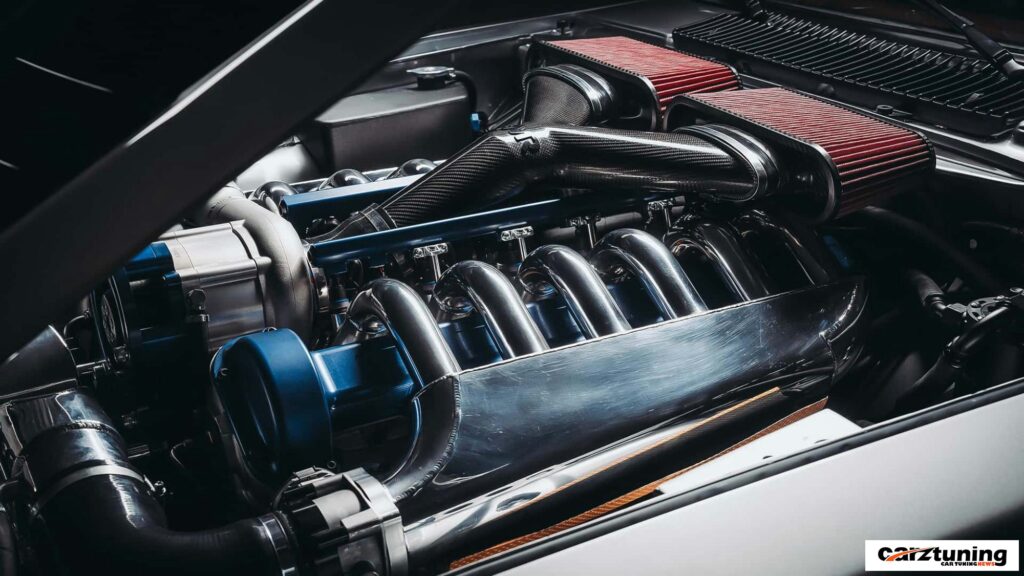
1. Engine Modifications
TWR’s primary objective was on the extraction of more power thanks to the effective performance of the XJ-S’s V12 engine. Their modifications consisted of:
- Reshaped cylinder heads for better air flow
- Compression ratio improvement
- Altered fuel delivery systems
- Engine computer reprogramming
This redesign which included the very effective applications like a modified fuel injection system was the reason of these changes. The engine of the stock XJ-S for V12 about 295 horsepower; meanwhile TWR’s could be powered up to about 450 horses in the most radical cases.
| Engine Specification | Standard XJ-S V12 | TWR-Tuned XJ-S V12 |
|---|---|---|
| Horsepower | 295 hp | 350-450 hp |
| Top Speed | 155 mph (249 km/h) | 170+ mph (274+ km/h) |
| 0-60 mph | 6.9 seconds | 5.5-6.0 seconds |
2. Suspension Upgrades
According to my knowledge, the difference in the feel of the car in the standard production model XJ-S as against the models that had been modified by TWR was gradually observable on the day to day drive. TWR’s interventions were:
- Stiffer springs and dampers
- Thicker anti-roll bars
- Revised geometry for improved handling
- Upgraded bushings for better response
All these alterations made the XJ-S more of a bullet train in turn from an easy smooth drive into a responsive and agile sports roadster although it did not lose that much grand tourer comfort.
3. Aerodynamic Improvements
The company’s wide experience in racing helped them out with the aerodynamic tuning that they did. These adjustments upon product were:
- A larger front air dam
- Side skirts
- A more subtly designed rear spoiler
- Redesigned mirrors for a less drag effect
Not only did these innovations boost the car’s high-speed stability, but they also gave it a more aggressive and sporty touch that I always sought after.
4. Interior Refinements
Interior providing being one of the priority items TWR did not ignore it knowing the owner of a Jaguar is used to luxury at highest levels. Remarks on the kind of transformation done on the car’s internal features were:
- Good leather upholstery
- Seats with good side support
- A sporty steering wheel
- A gauge for engine monitoring
- Wood and carbon fiber added as custom trim options
TWR XJ-S on the Racetrack
The Jaguar and TWR relationship was not limited to road car improvements, but it immensely prospered on the tracks. These were the results of the TWR-prepared Jaguar XJ-S raced in the European Touring Car Championship (ETCC).
| Year | Championship | Result |
|---|---|---|
| 1982 | ETCC | Several wins |
| 1983 | ETCC | Championship win |
| 1984 | ETCC | Championship win |
The impact of TWR’s work on the Jaguar XJ-S went way beyond the racetrack and the immediate sales figures. It remained forever in the sphere of the automotive industry by doing the following things:
1. The replenished brand
The triumphant performance of the TWR-modified XJ-S helped to transform the Jaguar to a brand which was comfortable with not only producing luxury cars but a brand that was capable of competing with other marques in making high-performance vehicles. This change in the perception of the company was the first step towards performance cars in the firm’s future lineup.
2. New models influenced by TWR study
Some of the performance upgrades and design features which Junior XJ-S were impregnated with by TWR managed to be used in some other Jaguar models. The experiences gained during this campaign had an impact on the development of cars such as the XK8 and the modern F-Type.
3. Collectability
At present, TWR-modified XJ-S models are the most desired collectable automotive treasures. Their rarity as well as their rich history and performance have made them sought after in the classic car market.
| Model | Estimated Value Range (as of 2023) |
|---|---|
| Standard Jaguar XJ-S (good condition) | $15,000 – $30,000 |
| TWR-modified Jaguar XJ-S | $40,000 – $100,000+ |
Personal Reflections
In my case, I have acquired both the factory-built (original) and the TWR-tuned cars, and to borrow from an old adage, the difference is as clear as night and day. The TWR model is a good example of how this is possible whereas it takes the XJ-S’s capabilities of being comfortable, stylish, and strong to a whole new degree of performance and excitement.
TWR-XJ-S-driving-quotes-Driving a TWR-tuned XJ-S is an experience that combines the best of both worlds: the refined luxury of a Jaguar with the raw thrill of a race-bred machine. The way it accelerates, the sound of the enhanced V12 engine, and the improved handling all come together to create a driving experience that’s truly unforgettable.] 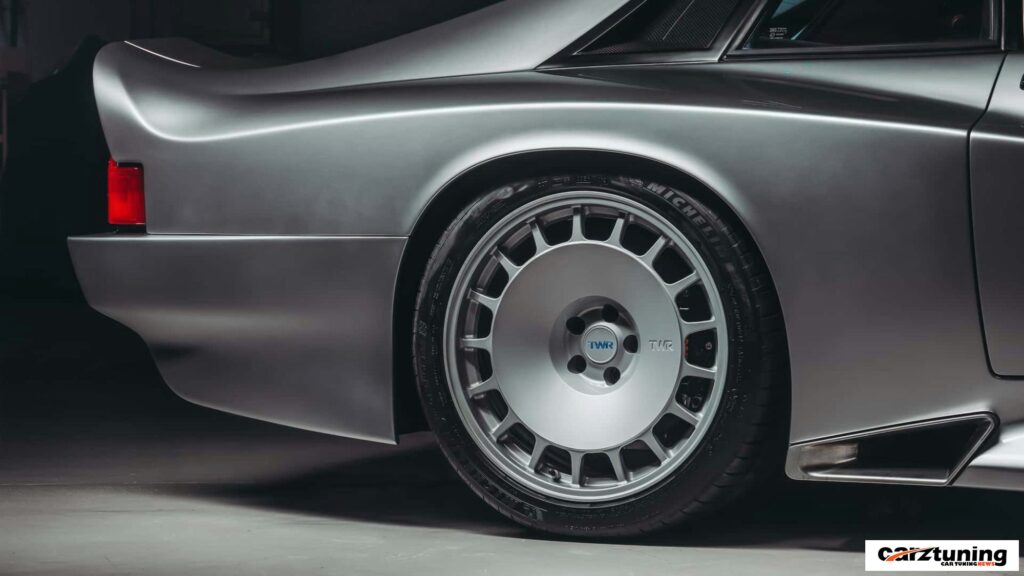
Conclusion
The brilliant alliance between Jaguar and Tom Walkinshaw Racing is a case in the historic books of the automotive industry. It brought about the rebirth of the vehicle through the right partnership, which has taken the limits of performance and design beyond.
Thus, the TWR-tuned Jaguar XJ-S became not only a hallmark of car engineering but also a top-class car that was able to mix the luxury brought by renowned makers with the desire for the highest performance. For those auto-devotees such as me, the uniqueness of the TWR-tuned Jaguar that engenders the magic relationship between automotive design and performance is still present as an irreplaceable pillory on the automotive landscape.
Thinking about car designs and performance in the future, the TWR-Jaguar experience comes as a major reminder. It constitutes a message about setting high goals, being inventive, and not acquiescing to the trends of the time, rather, it creates the products that through time become forever classics. Content should not only meet the current demands but should also become the best “classics” of the time.
[Image suggestion: A modern Jaguar F-Type next to a TWR-modified XJ-S, symbolizing the legacy and influence of the TWR-Jaguar partnership]
The story of the Jaguar XJ-S and its metamorphosis initiated by Tom Walkinshaw Racing is not just a car modification narrative. It is a tale of resurrection, of breaking barriers, and of the creation of car legends. Visionaries such as Tom Walkinshaw as well as the TWR engineers uncovered the possibilities and, in so doing, made a significant impact on the automotive world we all enjoy today.