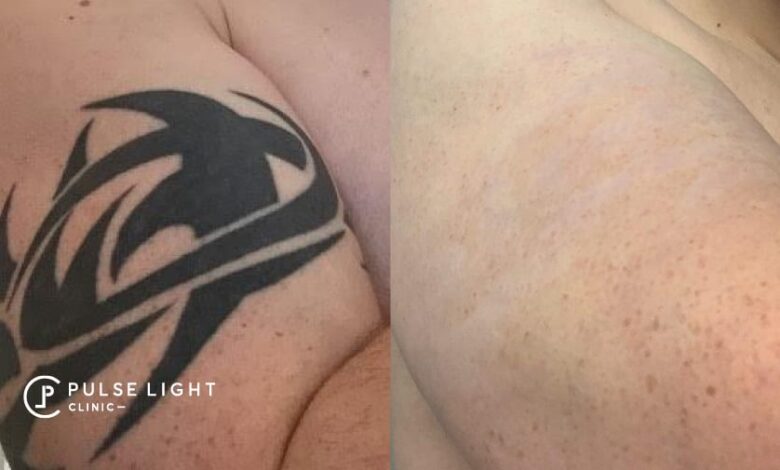
Tattoos are a form of personal expression, a way to commemorate moments, or simply an artful addition to the body. However, tastes change, lifestyles evolve, and what once felt meaningful may no longer resonate.
For many, the solution lies in laser tattoo removal. In London, a city bustling with trends and personal expression, this procedure has gained significant popularity. Understanding how laser tattoo removal works and what to expect can help you make informed decisions and ensure a safe, effective process.
What is Laser Tattoo Removal London?
Laser Tattoo Removal London is a medical procedure designed to fade or completely remove unwanted tattoos using concentrated beams of light. The laser targets tattoo pigments beneath the skin, breaking them down into smaller particles. Over time, the body’s immune system naturally clears these fragments, gradually fading the tattoo.
Unlike traditional methods such as surgical excision or dermabrasion, laser tattoo removal is minimally invasive, reducing the risk of scarring and damage to surrounding skin. Advances in technology have made it effective on a wide range of ink colours and skin types, although multiple sessions are typically required.
How Does Laser Tattoo Removal Work?
The procedure relies on selective photothermolysis, a process where specific wavelengths of light target the tattoo pigments without harming surrounding tissue. Different ink colours absorb different wavelengths, which is why some tattoos are more challenging to remove than others.
Assessment: The first step is a consultation with a qualified practitioner in London. During this session, your tattoo’s size, location, ink colours, and skin type will be assessed. This evaluation helps estimate the number of sessions required and the potential outcome.
Preparation: Before the procedure, the skin is cleaned and, in some cases, a topical anaesthetic is applied to minimise discomfort. Protective eyewear is provided to shield your eyes from the laser light.
Laser Application: Tattoo Removal London, the practitioner uses a laser device, directing pulses of light at the tattooed area. The light energy penetrates the skin and is absorbed by the ink particles. You may hear snapping or popping sounds as the laser works, often likened to the sensation of a rubber band against the skin.
Immune Response: Once the ink particles are fragmented, the body’s lymphatic system gradually removes them. This natural process means fading occurs over several weeks between sessions rather than immediately.
Types of Lasers Used in London Clinics
Laser tattoo removal technology has evolved significantly, offering better results and fewer side effects. In London, clinics commonly use the following types of lasers:
Q-Switched Lasers: These are the most widely used for tattoo removal. They deliver high-intensity pulses in nanoseconds, effectively shattering ink particles. Different Q-switched lasers target specific colours, such as black, blue, or red inks.
Picosecond Lasers: A newer, more advanced option, picosecond lasers emit pulses in trillionths of a second. They are particularly effective for stubborn or multi-coloured tattoos and often require fewer sessions compared to traditional Q-switched lasers.
Nd:YAG Lasers: Effective for deeper and darker inks, particularly black and blue pigments, Nd:YAG lasers are versatile and safe for various skin types.
What to Expect During a Session
A typical laser tattoo removal session lasts between 15 minutes to an hour, depending on the size and complexity of the tattoo. During the treatment, you may feel mild discomfort, similar to a stinging or snapping sensation. Some clinics in London offer numbing creams or cooling devices to enhance comfort.
After the session, the treated area may appear red, swollen, or slightly blistered. These reactions are normal and usually subside within a few days. Patients are advised to avoid sun exposure, as UV rays can cause pigmentation changes in the treated area.
How Many Sessions Are Needed?
The number of sessions required varies based on several factors:
Tattoo Size: Larger tattoos take more sessions to remove.
Ink Colours: Darker inks, like black and blue, respond faster than lighter shades such as yellow or green.
Age of Tattoo: Older tattoos tend to fade more easily than newer ones.
Skin Type: Skin tone can affect laser absorption and healing.
On average, Tattoo Removal London, most tattoos require 6 to 12 sessions, spaced 6 to 8 weeks apart to allow the body time to eliminate ink particles. Some cases, especially multi-coloured or heavily saturated tattoos, may require additional treatments.
Aftercare and Recovery
Proper aftercare is crucial for effective healing and minimizing complications. Following your London clinic’s instructions ensures optimal results. Common aftercare tips include:
Keep the area clean and dry for the first 24–48 hours.
Apply a soothing ointment as recommended by your practitioner.
Avoid picking or scratching scabs or blisters.
Stay out of direct sunlight or use a high-SPF sunscreen on the treated area.
Avoid swimming or hot tubs for a few days to reduce the risk of infection.
Mild redness, swelling, or tenderness is normal, but persistent pain, pus, or unusual discoloration should prompt a consultation with your practitioner.
Risks and Considerations
While laser tattoo removal is generally safe, there are potential risks to be aware of:
Skin Discoloration: Hypopigmentation (lightening) or hyperpigmentation (darkening) can occur, especially on darker skin tones.
Scarring: Rare, but possible if aftercare instructions are not followed.
Incomplete Removal: Some tattoos, especially those with stubborn or bright colours, may never fully disappear.
Choosing a reputable clinic in London with certified practitioners reduces these risks and ensures the procedure is performed safely.
Cost of Laser Tattoo Removal in London
The cost of laser tattoo removal varies depending on factors such as tattoo size, number of sessions, and clinic reputation. On average, small tattoos may cost £50–£150 per session, while larger tattoos can range from £200–£500 per session. Some clinics offer packages for multiple sessions, which can make the process more affordable.
Investing in professional treatment is essential; cheaper options may compromise safety and effectiveness, leading to subpar results or complications.
Choosing the Right Clinic
When seeking laser tattoo removal in London, consider the following:
Experience and Credentials: Ensure the clinic employs trained and certified practitioners.
Technology: Modern laser equipment, including picosecond and Q-switched lasers, improves outcomes.
Consultation Process: A thorough consultation should evaluate your tattoo and skin type and provide realistic expectations.
Reviews and Reputation: Patient reviews and testimonials can offer insights into the clinic’s quality and professionalism.
Final Thoughts
Laser tattoo removal London offers a safe and effective way to remove unwanted tattoos, but it requires patience, proper aftercare, and realistic expectations. Understanding how the procedure works, what to expect during and after sessions, and choosing a reputable clinic are key to achieving the best results.
Whether you are removing an old tattoo, correcting a regrettable design, or simply starting fresh, London’s laser clinics provide world-class care to help you achieve a clear, smooth, and rejuvenated appearance. By approaching the process with informed decisions and professional guidance, you can successfully bid farewell to your unwanted tattoo and embrace a new chapter with confidence.