Choosing the right leggings manufacturer is the single most important decision for a new activewear brand. The factory you pick controls fabric quality, fit, stitching, delivery times and your cost per unit, so a weak choice shows up in every pair your customers buy. This guide explains how to compare a custom leggings manufacturer, what fabrics and minimums to expect, and how to check quality before you commit to bulk production.
Whether you are launching a small athleisure label, adding gym leggings to an existing range, or scaling a wholesale leggings line, the process is the same: define the product, test samples, check the factory, then order. Leggings sit at the centre of the activewear market, and they pair with almost everything in a modern wardrobe, from a relaxed OVO hoodie to a gym-ready matching set.
Table of Contents
- Why Choosing the Right Leggings Manufacturer Matters
- The Leggings Market in 2026
- Fabric Guide: What Good Leggings Are Made From
- How to Vet a Manufacturer Before You Order
- MOQs, Pricing and Lead Times
- Customisation Options That Sell
- Sustainability and Compliance in 2026
- Common Mistakes Brands Make
- Key Takeaways
- FAQs
Why Choosing the Right Leggings Manufacturer Matters
Leggings are a fitted, technical garment. A small error in pattern making, grading or fabric choice creates see-through panels, a sagging waistband or seams that split during a squat test. Buyers notice those faults fast, and returns follow. A reliable leggings manufacturer protects your brand reputation by getting the fit right across sizes, from petite to plus size leggings, and by keeping quality consistent from the first sample to the tenth bulk order.
Demand is also seasonal. New fitness goals push sales in January, while lighter fabrics and bright colours sell through spring, so a factory with steady capacity matters more than the cheapest quote. Our guide to spring 2026 fashion trends shows how quickly colour and styling move, and a slow factory can miss the whole season. The right partner plans production around those peaks instead of reacting to them.
The Leggings Market in 2026
Activewear keeps growing as athleisure becomes everyday wear. Grand View Research valued the global activewear market at $440.4 billion in 2025 and projects $477.6 billion in 2026, reaching about $920 billion by 2033. The women’s leggings segment alone was worth about $23.49 billion in 2025 and is forecast to grow at 6.1% a year through 2033. That growth attracts new brands, which makes choosing a capable factory more competitive, not less.
| Market | 2025 value | Outlook |
|---|---|---|
| Global activewear | $440.4 billion | $477.6 billion in 2026 |
| Global activewear, long term | — | About $920 billion by 2033 |
| Women’s leggings | $23.49 billion | 6.1% annual growth to 2033 |
Growth is driven by yoga leggings, gym leggings, running tights and seamless leggings, plus demand for maternity leggings, biker shorts and capri styles. January remains the strongest launch window, which is why a New Year style reset often pairs new leggings with fresh tops and jackets. Brands that launch in January need samples approved by autumn, so work backwards from your launch date when you book production.
Fabric Guide: What Good Leggings Are Made From
Fabric decides comfort, opacity and durability. Most leggings use a nylon spandex blend or a polyester spandex blend, with elastane content between 15% and 25% for four-way stretch. Nylon feels softer and holds shape well, while polyester wicks moisture faster and costs less. Cotton spandex blends suit casual leggings and loungewear, but they absorb sweat and lose shape faster, so they are a poor choice for high-intensity training.
Fabric weight and feel
Fabric weight, measured in GSM, is the quickest quality check. Lightweight leggings sit near 180 to 220 GSM, midweight training leggings near 220 to 280 GSM, and heavy compression leggings above 280 GSM. Ask for the exact GSM, the fabric composition and a swatch before sampling. A good factory will also explain its flatlock stitching, gusset design, waistband construction and whether the fabric is squat proof, breathable and colourfast after repeated washing.
| Blend | Best for | Feel and performance |
|---|---|---|
| Nylon and spandex | Premium yoga and gym leggings | Soft, smooth, strong shape retention |
| Polyester and spandex | Running tights and training | Fast moisture wicking, durable, lower cost |
| Cotton and spandex | Casual and lounge leggings | Natural feel, less sweat control |
| Recycled polyester and elastane | Sustainable activewear | Similar performance with lower impact |
Layering matters too. Leggings sell alongside jackets and outerwear, so think about the full outfit: a heavyweight pair works under an oversize leather bomber jacket in cooler months, while a light 7/8 length pair suits spring training. Offer full length, 7/8 length, capri and biker short options so one fabric can serve several uses.
How to Vet a Manufacturer Before You Order
Start with a tech pack: a clear document with sketches, measurements, fabric details, trims, labels, stitching notes and a size chart. Factories quote faster and more accurately from a tech pack, and it removes arguments later. Then order a sample, wear it, wash it five times, stretch it and squat in it. Check the waistband, the gusset, pocket placement and whether the print or dye survives washing. Never approve bulk production from photos alone.
Sampling, quality control and audits
Ask how the factory handles quality control. A serious manufacturer inspects fabric before cutting, checks stitching and seam strength during production, runs fit testing on live models or dress forms, and does a final inspection before packaging, often to an AQL standard such as AQL 2.5 for major defects. Ask for a factory audit report, social compliance certificates such as BSCI or Sedex, and ISO 9001 certification where relevant. Streetwear labels built their names on consistent quality, and the same discipline applies to leggings; the rise of labels such as Trapstar streetwear shows how much trust a reliable product builds over time.
| Vetting step | What to ask for | Red flag |
|---|---|---|
| Tech pack review | Written quote per size and colour | Quote with no fabric or GSM stated |
| Sample order | Two samples, washed and worn | Refusal to sample before bulk |
| Quality control | AQL level and inspection reports | No inspection at any stage |
| Compliance | Audit and certification copies | No documents or vague claims |
| References | Two brands in your category | No reference or fake reviews |
MOQs, Pricing and Lead Times
Minimum order quantity, or MOQ, is the smallest order a factory will accept per style and colour. Low MOQ factories accept 100 to 300 units per style, which suits startups and small batch launches. Larger factories often ask for 500 to 1,000 units per style and colour, but their cost per unit is lower. Domestic production in the USA, for example in Los Angeles or New York, usually costs more per unit but ships faster and suits small runs, while overseas production in China, Pakistan, Vietnam, India, Bangladesh, Turkey or Portugal costs less at scale but adds freight, customs, duties and tariffs.
Typical lead times are 2 to 3 weeks for sampling, 4 to 6 weeks for bulk production after sample approval, and 1 to 4 weeks for shipping depending on the route. Build in a buffer of two weeks. Price your retail markup from the landed cost, not the factory price: add freight, duties, packaging, hang tags and care labels, then check your profit margin against inventory risk. A cheap unit that arrives late or fails quality control is the most expensive option.
Customisation Options That Sell
Custom leggings stand out through small details. Sublimation printing gives bright, all-over designs that do not crack, screen printing suits bold logos, and heat transfer or embroidery works for small chest or waistband branding. Add custom colours and patterns, a high-waisted waistband with a drawstring, side pockets for a phone, and branded woven labels, hang tags and packaging. A private label or white label service lets you sell under your own brand while the factory handles production, which is how most new fitness brands and athleisure brands start.
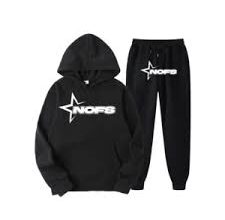
Matching sets sell well. A leggings and top set, or leggings with a matching Nofs tracksuit style top, lifts the average order value and gives customers a complete outfit. For product photos, a small accessory such as real turquoise stones can add a soft pop of colour next to neutral leggings. Offer the same fabric in dancewear, swimwear cover-ups and shapewear-adjacent styles only if the factory has real experience in those categories; a specialist beats a generalist every time.
Sustainability and Compliance in 2026
Sustainability is now a buying factor, not a bonus. Recycled polyester is the main shift: global production reached 9.7 million tonnes in 2025, according to Textile Exchange, and buyers increasingly ask for it by name. Look for recycled polyester, organic cotton, bamboo blends and eco-friendly dyes, and ask for proof such as OEKO-TEX, GOTS or Global Recycled Standard certificates. Check the factory’s fabric sourcing, waste handling and ethical manufacturing practices, and be honest in your own marketing: claim only what the certificate actually covers.
For online sellers, sustainability also affects the sales channel. A Shopify store or Amazon listing that states fabric composition, GSM and care instructions clearly gets fewer returns than one that hides the details. If selling online is new to you, learning how to use a basic digital marketing agency will help you plan your first launch campaign. Dropshipping and print on demand can work for testing designs, but cut and sew production gives far better fit and quality for a brand you want to keep.
Common Mistakes Brands Make
- Choosing the cheapest quote without checking fabric GSM, stitching or compliance.
- Skipping a physical sample and approving bulk production from photos.
- Ordering too many colours and sizes in the first run instead of testing two or three.
- Ignoring the size chart and grading, so larger sizes fit badly.
- Forgetting freight, duties and packaging in the landed cost.
- Copying a competitor’s design instead of building a distinct brand identity.
Key Takeaways
Pick a leggings manufacturer on fabric, fit, quality control and communication, not price alone. Test samples hard, confirm the MOQ and lead time in writing, check compliance documents, and start with a focused range. A factory that answers clearly, samples honestly and ships on time is worth more than a small saving per unit.
FAQs
What is a good MOQ for custom leggings?
A good MOQ for a startup is 100 to 300 units per style and colour. Larger factories may ask for 500 to 1,000 units, which lowers the cost per unit but raises inventory risk, so match the MOQ to your budget and sales forecast.
How much does it cost to manufacture leggings?
Cost per unit varies with fabric, GSM, order size and location. Simple polyester spandex leggings from an overseas factory cost far less per unit than a domestic, recycled-fabric pair. Always compare the landed cost, including freight, duties and packaging, not just the factory price.
What fabric is best for gym leggings?
A nylon spandex or polyester spandex blend with 15% to 25% elastane is best for gym leggings. Look for four-way stretch, moisture wicking, a squat proof opaque knit and flatlock stitching for comfort during training.
How long does leggings production take?
Sampling usually takes 2 to 3 weeks, bulk production takes 4 to 6 weeks after sample approval, and shipping adds 1 to 4 weeks. Allow 10 to 12 weeks from first contact to delivery for a first order.
Can I get private label leggings with my own logo?
Yes. Most leggings manufacturers offer private label production with custom logos, woven labels, hang tags and packaging. Provide your logo files, brand colours and a tech pack so the factory can match your brand identity exactly.
Conclusion
The best leggings manufacturer for your brand is the one that matches your fabric, fit, volume and values, then proves it with samples and honest timelines. Use the checks in this guide, start small, and grow the order once the product earns repeat sales. Get the factory right and the rest of the brand, from design to marketing, becomes much easier.
Research Sources
- Grand View Research: Activewear Market Report
- Fortune Business Insights: Activewear Market Size and Forecast
Market figures and recycled polyester data were compared across Grand View Research, Fortune Business Insights and Textile Exchange reporting for 2025 and 2026. Last updated: November 6, 2026.