Table of Contents
Introduction
Dubai is known around the world for futuristic towers, island communities and hotels that set global standards. Inside those buildings, the real test of quality is the interior: the joinery, the stone, the lighting and the way a space feels when you walk in. Premium interior construction in Dubai is the craft of turning an empty shell into a finished space that is beautiful, durable and practical, whether it is a villa in Palm Jumeirah, an office in DIFC or a restaurant in Downtown.
This guide explains what premium interior construction actually covers, what the market looks like in 2026, what drives the cost, which materials and technologies define the best projects, and how to choose a contractor you can trust. Figures come from current industry research, so you can plan with real numbers instead of sales talk.
What Premium Interior Construction Means in Dubai
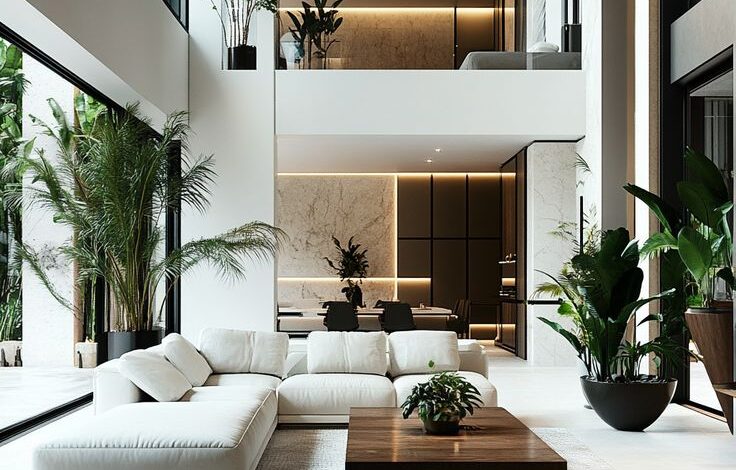
Premium interior construction goes beyond decoration. It is a complete, managed process: design development, authority approvals, civil works, mechanical, electrical and plumbing (MEP) installation, bespoke joinery, stone and flooring work, smart-home integration, finishing and snagging. The difference from a basic fit-out is the standard of execution: tight joints, level surfaces, concealed services, consistent finishes and materials chosen for a hot, humid climate and heavy use.
In Dubai, premium work also means compliance. Projects need approvals from Dubai Municipality, the relevant free-zone or community authority, and the building management, plus coordination with DEWA for power and water connections. A good contractor manages that paperwork as part of the service, so the client is not left chasing permits.
Why Dubai Leads in Premium Interiors
Demand is strong because Dubai keeps building and renovating at a remarkable pace, from new towers and hotels to villa upgrades in established communities. The global interior design market was worth $185.7 billion in 2025 and is forecast to reach $196.2 billion in 2026, heading for $298.0 billion by 2033. Commercial projects hold about 69.5% of that market, which explains why offices, retail and hospitality construction set the pace for quality and innovation in the city.
Costs are rising, but not runaway. JLL’s 2026 Global Fit-Out Cost Guide puts the global average for a moderate office fit-out at about $2,150 per square metre, while Cushman and Wakefield report that all-in fit-out costs rose 3.8% in 2025, with modest growth expected in 2026. For clients, the message is clear: budgets need a realistic contingency, and the cheapest quote is rarely the one that delivers a premium result.
Interior Construction Market at a Glance, 2025 to 2026
| Market | 2025 | 2026 | Outlook |
|---|---|---|---|
| Global interior design (Grand View Research) | $185.7 billion | $196.2 billion | $298.0 billion by 2033; 5.4% CAGR |
| GCC interior design (Mordor Intelligence) | $13.76 billion | $14.79 billion | Steady growth across the Gulf |
| Global interior fit-out (Coherent Market Insights) | Not reported | $78.58 billion | 8.3% CAGR to 2032 |
| Global office fit-out, moderate (JLL) | Not reported | $2,150 per sq m | Costs up 3.8% in 2025 (Cushman & Wakefield) |
Essential Elements of a Premium Project
Bespoke joinery and materials
Joinery is where premium interiors are won or lost. Custom wardrobes, wall panelling, doors, vanities and kitchens are built to the millimetre, using hardwood veneers, lacquer, stone and brass details. Materials matter just as much: Italian marble, porcelain slabs, engineered parquet, low-VOC paints and moisture-resistant boards perform better in Dubai’s climate than cheap imports. When you visit kitchen showrooms in the UAE, compare the hinges, drawer runners and edge finishes, because those small details decide how a kitchen feels after five years of daily use.
Smart-home technology and MEP
Premium projects hide their complexity. Lighting scenes, climate control, automated curtains, security and audio run through one system, while the MEP backbone, including HVAC, drainage, electrical loads and fire safety, is engineered before any finishing begins. Poor MEP planning is the most common cause of delays and defects, so insist on coordinated drawings and a proper commissioning stage before handover.
Lighting, acoustics and finishing touches
Layered lighting, warm colour temperatures, acoustic panels in home cinemas and offices, and carefully chosen window treatments complete a premium space. Even small choices count: industrial curtain rods suit loft-style apartments, while motorised sheer curtains suit floor-to-ceiling villa glazing. A final snagging list, checked room by room with the contractor, is what separates a finished project from a merely decorated one.
How to Choose the Right Interior Contractor in Dubai
Start with the portfolio: look for completed projects similar to yours in size and style, and ask to visit one if possible. Check the trade licence, the team’s in-house capabilities and whether the contractor uses its own joinery workshop or outsources everything. A transparent bill of quantities, a realistic timeline with milestones, a written warranty and a clear snagging process are non-negotiable. Be wary of quotes far below the market: they usually hide cheaper materials, missing scope or a contractor who will ask for variations later. Good planning also covers the messy parts of a build, from demolition and site preparation to waste removal, and experienced contractors even plan grab hire and site clearance so the programme stays on schedule.
Compare timelines honestly. A premium apartment fit-out often takes 8 to 12 weeks, a villa 4 to 8 months, and a large office or restaurant longer, depending on approvals and custom joinery lead times. Builders who promise half that time usually cut corners or plan to extend later. Ask for a weekly progress report, a single point of contact and a payment schedule tied to completed milestones, not to calendar dates.
Common Mistakes to Avoid
The most expensive mistake is starting work without final drawings and a signed scope, which invites endless variations and arguments. Skipping authority approvals is another: unapproved work can be stopped, fined or forced to be removed. Choosing materials on looks alone causes problems in Dubai’s climate, so check moisture resistance, UV stability and maintenance needs, including glass: scratched or fogged glazing should be fixed early, and knowing when window glass repair is enough versus full replacement saves money. Finally, do not forget the future: build in spare electrical capacity, access panels for services and storage that fits how you actually live, and compare your project with lessons from other builds, such as the challenges described in guides to Bali construction projects, where climate, logistics and permits shape every decision in a similar way.
Frequently Asked Questions
How much does premium interior construction cost in Dubai?
There is no single price, because scope, materials and location vary widely. As a global benchmark, JLL puts a moderate office fit-out at about $2,150 per square metre in 2026, and Dubai premium residential work often costs more per square metre because of bespoke joinery, stone and smart-home systems. Always get an itemised bill of quantities and keep a contingency of 10 to 15 percent.
How long does a premium fit-out take in Dubai?
A premium apartment usually takes 8 to 12 weeks, a villa 4 to 8 months, and a large commercial project longer. Approvals, custom joinery lead times and material shipping are the usual causes of delay, so a realistic programme should include them from the start.
Do I need approvals for interior work in Dubai?
Yes, in most cases. Structural changes, MEP changes and most full fit-outs need approval from Dubai Municipality or the relevant authority, plus the building management’s no-objection certificate. Your contractor should handle the submissions and inspections.
What is the difference between interior design and interior construction?
Interior design creates the concept, layouts, materials and 3D visuals. Interior construction, or fit-out, builds it: civil works, MEP, joinery, flooring, painting and finishing, followed by snagging and handover. Premium results need both disciplines working together from the start.
Are sustainable materials worth the extra cost?
Usually, yes. Low-VOC paints, energy-efficient lighting and HVAC, water-saving fittings and durable materials lower running costs and improve indoor air quality, which matters in a city where people spend most of their time indoors. They also support LEED and WELL certification for commercial projects.
Conclusion
Premium interior construction in Dubai is a combination of design vision, engineering discipline and honest project management. The market is growing, with the global interior design market forecast to reach $196.2 billion in 2026, and the best projects share the same traits: clear drawings, quality materials, skilled joinery, coordinated services and a contractor who communicates. If you are planning a villa, an office or a restaurant, invest the time in the design and approvals stage, compare itemised quotes, and choose the team whose finished work you have actually seen. The space you live and work in every day is worth doing properly.