Walk into any pharmacy in Canada and the wall of multivitamins for men looks endless: one-a-day tablets, two-capsule formulas, gummies, powders and liquids, all promising more energy, better immune support and sharper focus. Most formulas look alike, yet their contents, doses and prices differ a lot, so this guide compares the leading options for Canadian men in 2026, with the label checks, daily values and prices that matter.
One warning up front: a multivitamin is a gap-filler, not a substitute for food. The National Institutes of Health (NIH) Office of Dietary Supplements states that multivitamins cannot replace the variety of foods that provide fibre and other nutrients. The best use of one is to cover the dietary gaps you regularly leave, and the best way to know what you miss is a balanced diet first, then a blood test and a talk with a pharmacist or doctor.
Table of Contents
Do Men in Canada Need a Multivitamin?
For most healthy men who eat a varied diet, the honest answer is: probably not every day, and maybe not at all. The rule is food first. Health Canada guidance, cited in SupplementSource.ca’s 2026 Canadian guide, is that a multivitamin is not generally required for adults who eat nutritious foods. Fatty fish, leafy greens, whole grains and nuts and seeds supply vitamin D, folate, magnesium, zinc, selenium and vitamin E. A supplement adds value when your diet has a real gap: long Canadian winter months with little sunlight, a vegan or vegetarian diet, or a condition that limits absorption.
The numbers back a measured view. About 28.3% of men aged 19 and older reported taking a multivitamin, according to US national survey data cited in our companion guide to the best multivitamin for men, and a Johns Hopkins review covering more than 450,000 people found multivitamins did not reduce the risk of heart disease or cancer, although one long trial in men found an 8% reduction in total cancer incidence. The COSMOS trial of 21,442 older adults found better memory and cognitive function scores. They are insurance against a poor diet, not a performance drug, and they do not raise testosterone, improve fertility, speed up metabolism, cure fatigue or replace sleep, exercise and stress management.
How to Choose a Multivitamin in Canada
Canada regulates multivitamins differently from the United States, and that difference is your best buying filter. In Canada, a multivitamin is a natural health product: before it can be sold, Health Canada assesses it and issues an eight-digit Natural Product Number (NPN), which must appear on the label. You can check any NPN in the Licensed Natural Health Products Database (LNHPD), where you can verify any product. If a product sold in Canada has no NPN, do not buy it, and check US formulas too, because American products often skip Canadian licensing.
Beyond the NPN, look for third-party testing. The most useful marks are USP Verified, NSF Certified for Sport and Informed Choice, which mean an independent lab checked the contents and screened for banned substances. The Non-GMO Project mark adds more assurance. Then do the label math: a useful formula lists most nutrients at 80% to 100% of their daily value, while a formula with 10% of the daily value for key nutrients is mostly label decoration. Check the serving size too: two capsules per serving doubles the daily cost, so compare cost per serving, not the bottle price.
- An eight-digit NPN on the label, verified in the LNHPD
- A third-party testing mark: USP Verified, NSF Certified for Sport or Informed Choice
- Vitamin D3 (not D2), and methylated vitamin B12 and folate (methylfolate) where possible
- Most nutrients at 80% to 100% of daily value, not 10%
- A clear serving size and expiry date, with cost per serving worked out before you buy
Form matters less than content, but it affects whether you will actually take it. A tablet or a once daily capsule suits most men; a gummy is easier to chew but usually carries less of each nutrient and sometimes added sugar; a powder or liquid suits men who dislike swallowing pills but is harder to dose precisely. Buy from a reputable Canadian retailer such as Well.ca, Shoppers Drug Mart or Costco Canada, and keep the bottle in a cool, dry place.
Daily Values Men Should Check First
Labels list nutrients as a percentage of daily value, but the daily value is a labelling reference, not a prescription. The underlying targets are the recommended dietary allowance (RDA) figures for men, and the table below shows the ones that matter most. Two nutrients deserve special attention: vitamin D, because Canadian winter months and northern latitude leave many men low on sunlight, and vitamin B12, because absorption falls with age and with some medicines.
Foods rich in antioxidants cover vitamin C and vitamin E well. The B-complex vitamins, thiamine, riboflavin and niacin, are almost always present at full daily value, so they rarely decide a purchase. What separates a good formula from a weak one is the set of nutrients that are hard to get from food or hard to absorb: vitamin D, vitamin B12, magnesium and zinc, plus choline, which supports brain health. Trace minerals such as copper, chromium, manganese and molybdenum are present in tiny amounts.
| Nutrient | RDA for adult men | What to look for |
|---|---|---|
| Vitamin D | 15 mcg (600 IU) | 100% DV; D3 form |
| Vitamin B12 | 2.4 mcg | 100% DV; methylated form |
| Vitamin C | 90 mg | 100% DV |
| Vitamin E | 15 mg | 100% DV |
| Vitamin A | 900 mcg | 100% DV |
| Folate | 400 mcg | 100% DV; methylfolate |
| Vitamin B6 | 1.3 mg | 100% DV |
| Biotin | 30 mcg | 100% DV |
| Magnesium | 400 to 420 mg | Often 25-50% DV; chelated forms absorb well |
| Zinc | 11 mg | 100% DV |
| Iodine | 150 mcg | 100% DV |
A multivitamin rarely covers everything, and that is normal. Calcium and magnesium take up too much space in a tablet, so even good formulas include only a fraction of what you need: get the rest from food, such as dairy, leafy greens and whole grains. Iron is the other deliberate gap. Most men’s formulas leave iron out, because men need only 8 mg a day and excess iron builds up in the body. That is the right call for most men, and a formula with iron is a poor choice unless a blood test shows you are low.
Best Multivitamins for Men in Canada for 2026
The picks below come from comparing four 2026 sources: Men’s Health’s expert-tested list from August 2026, Everyday Health’s expert-recommended list from January 2026, SupplementSource.ca’s Canadian guide from July 2026, and the NIH fact sheet on multivitamin and mineral supplements. Each was cross-checked for an NPN and third-party testing. Prices are the US prices reported by those sources in 2026; Canadian prices are in Canadian dollars (CAD) and vary by retailer, so treat the per-day figures as a comparison, not a shelf price.
No single product wins for everyone. The best multivitamin for a 28-year-old athlete is not the best one for a 62-year-old with an enlarged prostate, and a man who hates swallowing pills needs a different format from a man who wants the cheapest daily habit. Some formulas add turmeric or probiotics in doses too small to matter. Biotin and vitamin E are marketed for hair health and skin health, but the evidence is thin: a supplement is not a hair treatment, and real hair health comes from diet, sleep and medical care when it is needed.
| Product | Best for | Form | Cost per day (US, 2026) |
|---|---|---|---|
| Ritual Essential for Men | Best overall | 2 capsules | About $1.23 |
| Nature Made Multi for Him | Best budget | 1 tablet | About $0.10 |
| Thorne Basic Nutrients 2/Day | Best for athletes | 2 capsules | About $1.20 |
| Garden of Life Vitamin Code Men | Best whole-food option | 2 capsules | About $0.72 |
| New Chapter Every Man 55+ | Best for men over 50 | 2 tablets | About $2.24 |
| AOR Ortho-Core | Canadian-made option | Capsules | Check Canadian retailers |
Ritual Essential for Men: best overall
Ritual is the most-cited overall pick in 2026 testing: a clean, vegan formula with vitamin D3, methylated vitamin B12 and folate, plus omega-3 DHA from algae, and it is USP Verified. It is sold by subscription at about US$37 a month, and the trade-off is a low zinc dose and a premium price. It suits men who want a simple, once daily, gluten-free and dairy-free habit with no iron.
Nature Made Multi for Him: best budget
At about US$22 a bottle and $0.10 a day, Nature Made is the cheapest credible option: 22 nutrients in one tablet, USP Verified, with vitamin D3. It skimps on calcium and magnesium, as most one-tablet formulas do, and it is not a whole food formula, but it is the easiest daily habit to keep.
Thorne Basic Nutrients 2/Day: best for athletes
Thorne’s two-capsule formula is NSF Certified for Sport, which matters for athletes subject to drug testing, and it uses forms with better bioavailability, including methylfolate, for better absorption. At about US$36 a month it is pricier than the budget picks, and Everyday Health recommends it for men under 30. Athletes who train hard lose more magnesium and zinc, so the higher doses help. Klean Athlete is the other NSF Certified for Sport option, at about US$39.60.
New Chapter Every Man 55+: best for men over 50
For men over 50, New Chapter’s formula adds saw palmetto, astaxanthin and turmeric, targeting prostate health and eye health. The cost is the catch: about US$67.05 for a 30-day supply, or about $2.24 a day, the priciest pick here. Pure Encapsulations Men’s Nutrients, at about US$72.40, is the other serious 50-plus option, with lycopene, lutein and zeaxanthin for the eyes and prostate.
AOR Ortho-Core and the Canadian options
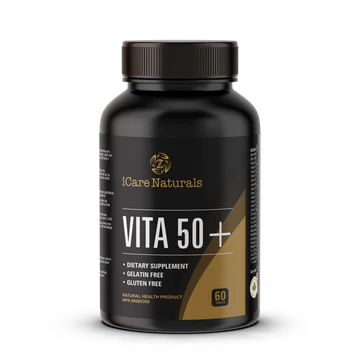
AOR Ortho-Core is the strongest Canadian-made option: a comprehensive formula with 280 mg of magnesium and 1,000 mcg of methylated vitamin B12 per serving, according to SupplementSource.ca. Centrum is the most widely stocked option in Canadian pharmacies, and the brand doctors and pharmacists recommend most often. iCare Naturals, the Canadian brand this article originally featured, is one more local option, but judge it on the same NPN, dose and price tests as every other product here.
Best Multivitamin by Age
Needs change with age, and the best multivitamins for men change with them. Younger men mostly need vitamin D in winter, magnesium, and B12 if they eat little meat. Magnesium supports muscle function and sleep, and joint health matters for men who train hard. After age 50, vitamin B12 absorption falls, vitamin D and calcium matter more for bone health, and healthy aging is the goal of the 50-plus formulas.
Everyday Health’s 2026 age guide makes the same point: Thorne Basic Nutrients for men under 30, Pure Encapsulations Men’s Nutrients for the 30 to 50 band, and New Chapter Every Man 55+ for men over 50. Re-check your choice yearly, ideally after a blood test, and change it as your health changes.
How and When to Take a Multivitamin
Take your multivitamin with food, in the morning, and at the same time every day. Food improves absorption of the fat-soluble vitamins, A, D, E and K, and taking it on an empty stomach is the most common cause of nausea. The most common side effects are mild nausea and an upset stomach, and both usually pass when the pill is taken with a meal. Keep the bottle in a cool, dry place and check the expiry date: old tablets lose strength and old gummies go sticky.
Do not double up. A multivitamin plus a separate vitamin D pill, a B-complex and a zinc lozenge can push you past the upper limit for some nutrients without you noticing. If you take other supplements, add up the totals on all the labels, and keep the combined dose below the tolerable upper intake level. Vitamin A toxicity is the most serious overdose risk from multivitamins, because vitamin A is fat-soluble and builds up over time. If low energy, poor sleep or persistent fatigue is the problem, ask whether the cause is the job, the schedule or your health: a walk, a better night’s sleep, lower stress and holistic wellness for mind and body do more for energy than any pill, and online therapy for depression and anxiety is a better first step than another supplement.
Who Should Skip a Multivitamin or Talk to a Doctor First
Most men can take a basic multivitamin safely, but some should not. Men with hemochromatosis, a condition that causes iron overload, should avoid any formula containing iron. Men with kidney disease or liver disease should check first, and men who smoke should avoid high-dose beta-carotene and vitamin A, which can raise lung cancer risk in smokers; the NIH advises the same. Drug interactions are the quieter risk, especially for men on blood thinners: vitamin K affects how warfarin works, so tell your doctor before you start or stop a multivitamin if you take blood thinners. Men taking medicine for blood pressure should check for added herbs and high-dose extras.
This article is for general information only and is not medical advice. Supplements are not a treatment for any condition. If you have a medical condition, take prescription medicine, are unsure whether you are deficient in a nutrient, or want to check your nutrient levels, talk to your doctor, another healthcare provider or a pharmacist before you start: a blood test is cheaper than a year of the wrong supplement.
Frequently Asked Questions
Do multivitamins for men actually work?
For filling dietary gaps, yes. Most studies find little or no effect on heart disease or cancer risk, although one trial in men found an 8% lower total cancer incidence. Think of a multivitamin as insurance for a patchy diet, not as a medicine.
What are the best multivitamins for men in Canada?
No single product wins. The strongest picks in 2026 testing are Ritual for overall quality, Nature Made for value at about $0.10 a day, and Thorne for athletes. Check for an NPN, third-party testing, and most nutrients at 80% to 100% of daily value.
Do men over 50 need a different multivitamin?
Yes. After age 50, vitamin B12 absorption falls, so methylated B12 helps, and vitamin D and calcium matter more for bone health. New Chapter Every Man 55+ and Pure Encapsulations add saw palmetto, lycopene, lutein and zeaxanthin for prostate and eye health, and leave iron out.
Should men take a multivitamin with iron?
Usually no. Men need only 8 mg of iron a day, and most get enough from food. Extra iron can build up in men with hemochromatosis, so an iron-containing formula is only worth it if a blood test shows low iron.
Can I take a multivitamin with other supplements?
Yes, but add up the totals first: a multivitamin plus a separate vitamin D, B-complex or zinc product can push you over the upper limit. Treat the multivitamin as the base and add only what it lacks.
Research Sources
- Men’s Health: Best Multivitamins for Men in 2026
- Everyday Health: Multivitamins for Men in 2026
- SupplementSource.ca: Best Multivitamin Canada 2026
- NIH Office of Dietary Supplements: Multivitamin/mineral Supplements
- Health Canada: Licensed Natural Health Products Database
Per-day costs are my own calculations from the reported prices, divided by the days of supply. Prices are the US prices reported by the sources in 2026; Canadian prices are in Canadian dollars (CAD) and vary by retailer. This article is for general information only and is not medical advice; talk to your doctor or pharmacist before starting any supplement.