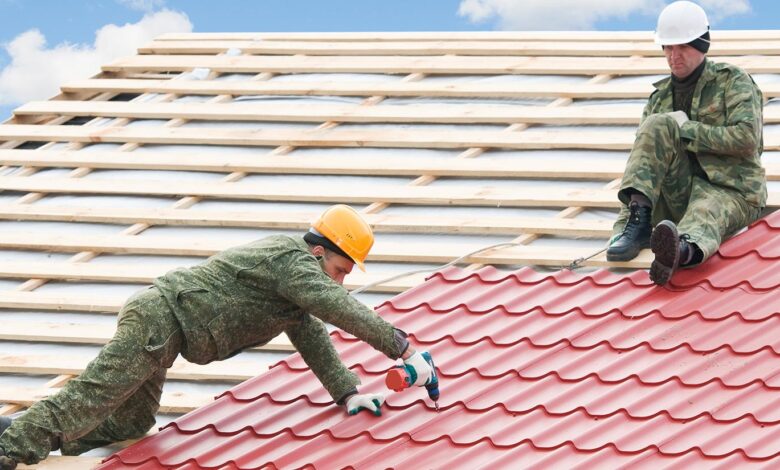
A West Palm Beach roofer works in one of the toughest roofing climates in the United States. Intense sun, salt air, humidity, and a long hurricane season test every roof in Palm Beach County, so the roofing contractor and roofing material you choose matter more here than in most of the country. This guide covers what a licensed roofer does, what roof repair and roof replacement cost in 2026, how long each material lasts in Florida, what the Florida Building Code requires, and how to verify a contractor before you sign a roof contract. Your choices now affect your home value and your home insurance for years.
Table of Contents
What a West Palm Beach Roofer Does
A West Palm Beach roofer handles roof inspection, roof repair, roof replacement, roof installation, and roof maintenance across the coastal climate of South Florida. A good roofing crew also handles emergency roof repair after a tropical storm, including roof tarping and a temporary roof cover to stop further water intrusion. Most local companies work on steep-slope roof and low-slope roof systems, from architectural shingles and standing seam metal to concrete tile, clay tile, and a flat roof with a TPO membrane.
Local knowledge matters because a roof that performs well inland can fail on the coast. Salt air corrodes roof fasteners, UV exposure and heat exposure break down roofing material faster than in cooler states, and heavy rain finds every weak seam. A roofer who works daily in West Palm Beach understands wind uplift, roof drainage, and the Florida Building Code wind rules behind every roof permit in the county. Compared with a roofing company in another state, a local specialist knows Palm Beach County inspectors, suppliers, and weather patterns.
Roof Repair in West Palm Beach: Common Problems and Costs
Most roof repair jobs in West Palm Beach start with a roof leak. The usual sources are a worn pipe boot, a cracked roof vent, a leaking skylight, failed chimney flashing, or a damaged roof valley where two roof slopes meet. Flashing around walls, missing shingles after a storm, nail pops, and a roof puncture from a fallen branch are also common. On older roofs, granule loss, roof blistering, roof curling, roof cracking, and roof buckling show the surface is wearing out, while algae and roof algae stains are mostly cosmetic but can hide deeper roof moisture. Roof sagging needs urgent attention.
A small leak rarely stays small. Water entering through damaged underlayment can stain ceilings, feed mold growth, rot the roof sheathing, and turn a minor fix into major water damage. A 2026 report on average roof leak repair costs puts minor leak repairs at $150–$1,000, moderate repairs at $1,000–$3,000, and major repairs at $3,000–$6,000 or more. The same report notes a pipe boot repair at $250–$600, a skylight repair at $225–$800, and a roof valley repair at $300–$1,500. Emergency work costs more, with an emergency premium of 25%–100% above standard rates in Florida.
| Repair | Typical cost in Florida (2026) |
|---|---|
| Minor leak repair | $150–$1,000 |
| Moderate leak repair | $1,000–$3,000 |
| Major leak repair | $3,000–$6,000+ |
| Pipe boot replacement | $250–$600 |
| Skylight repair | $225–$800 |
| Roof valley repair | $300–$1,500 |
| Chimney flashing repair (minor) | $150–$700 |
These are typical ranges, and the final roof repair cost depends on the roofing material. Repairs to a metal or tile roof usually cost more than repairs to an asphalt shingle roof because the materials are heavier and harder to match. The roof estimate should list the repair area, the materials, and whether the roof deck underneath will be checked for rot.
Roof Replacement Costs in West Palm Beach in 2026
When repairs no longer make sense, a roof replacement is the next step. For a typical 2,000–2,400 square foot roof in Palm Beach County, 2026 Palm Beach County roof replacement costs put architectural shingles at $13,000–$25,000, metal roofing at $18,000–$50,000 or more, and tile at about $25,000 to more than $65,000. A smaller townhouse roof of 1,000–1,600 square feet usually costs $8,000–$16,000 with architectural shingles. These figures include tear-off, underlayment, and standard code upgrades, but not major structural repairs.
| Material | Installed cost per square foot (2026) |
|---|---|
| Architectural shingles | $5–$9 |
| Exposed-fastener metal | $8–$14 |
| Standing seam metal | $12–$20 |
| Concrete tile | $9–$19 |
| Clay tile | $12–$25 |
| Flat roof (TPO membrane) | $9–$14 |
Seven factors drive the final roof replacement cost: roof size, roofing material, roof pitch and complexity, tear-off and roof disposal, roof deck condition, code upgrades, and the roof permit. Steep roofs cost more because the roofing crew works more slowly and needs more safety equipment. The tear-off stage is demolition and site preparation on a small scale: the old material comes off, the roof debris is hauled away, and landfill fees are charged by weight. A rotten roof deck must be replaced first, and code upgrades such as re-nailing the roof deck and adding a second water barrier are part of a compliant roof installation.
Timing also affects price. The dry season, roughly November to April, is the busiest roofing season in South Florida, and seasonal roofing demand can stretch a roof replacement timeline. Most residential replacements take a few days of on-site work, but the full process, from contract to permit to delivery to final inspection, usually takes several weeks. Plan around the hurricane season, and never let a contractor start a tear-off without a permit and a plan for covering the roof if a storm approaches.
Which Roofing Material Lasts Longest in Florida?
| Material | Typical lifespan in Florida |
|---|---|
| Architectural shingles | 15–25 years |
| Metal roofing | 40–70 years |
| Concrete and clay tile | 50+ years |
| Flat roof (TPO/EPDM) | 10–20 years |
Sunlight is the main enemy. UV exposure dries out shingles, heat exposure softens sealants, and algae, especially the dark streaks caused by Gloeocapsa magma, feeds on the limestone filler in shingles. A standard asphalt shingle is rated for wind speeds up to 90 mph, below the winds of a Category 2 or 3 hurricane, so the wind rating of your chosen material matters in a hurricane zone. Metal and tile systems with higher wind ratings cost more upfront but can survive storms that strip a basic shingle roof.
Five habits shorten a roof’s life: poor attic ventilation and a weak roof ventilation system, overhanging branches, poor installation, delayed repairs, and pressure washing, which strips granules and can void a roof warranty. Regular roof cleaning with a soft wash, tree trimming to clear overhanging branches, and prompt repair of small problems are the cheapest ways to reach the top of your roof’s lifespan range. A lighter roof color and a roof coating or roof sealant can also cut heat exposure and improve energy efficiency, which helps if you plan to add solar panels later.
Florida Building Code: Wind Ratings, Permits, and the 25% Rule
Every roof replacement in West Palm Beach needs a roof permit and must meet the Florida Building Code, which sets strict hurricane wind-load requirements. The code requires the roof deck to be re-nailed to the current wind standard and a second water barrier under the roofing material, so a roof keeps shedding water even if the outer layer is damaged. A building inspector checks the work, and a permit protects you if you sell the home or file an insurance claim later.
The code also includes the 25% rule: if more than 25% of a roof section is repaired, replaced, or re-covered within 12 months, the whole section must be brought up to current code. That rule often turns a large repair into a replacement, so ask your roofer how it applies to your roof before you approve a partial fix. It also explains why a written estimate should state the scope in squares and sections, not just a lump sum, and why a permit and final inspection matter even for a small job.
Building codes and insurance rules change, and local requirements can vary by municipality, so treat this section as general information, not legal or financial advice. Confirm the current requirements with your local building department and your insurer before you start work.
Repair or Replace? How to Decide
The repair-or-replace decision comes down to roof age, roof condition, and roof history. A young roof with a single leak is usually worth repairing. An old roof with frequent previous repairs, widespread granule loss, and rising insurance costs is usually ready for replacement. Compare the repair price with the remaining life of the roof: spending $3,000 on a roof with two years left is rarely good value, while the same repair on a roof with ten years left usually is.
- Repair when the roof is under 15 years old and the damage is limited to one area, such as a pipe boot, a roof vent, or a small section of flashing.
- Repair when the roof deck is solid, the roof drainage system is working, and the rest of the roofing material still has years of life left.
- Replace when the roof is near the end of its roof lifespan, when leaks keep returning, or when more than 25% of a section needs work under the 25% rule.
- Replace when you are selling and buyers or insurers want a roof certification, or when a new roof would cut your insurance premium enough to justify the investment.
Get a roof quote comparison before you decide: gather multiple quotes for the same scope, materials, and warranty, and ask each company for a written estimate with an itemized quote. A roof estimate far below the others often leaves out the tear-off, the permit, or the underlayment, so check the details rather than the headline price. This is also the moment to think about roof design, roof style, and roof color, because a replacement can change the look of the home and improve curb appeal and resale value at the same time. It can lift property value.
How to Choose a Licensed West Palm Beach Roofer
Start with the license. In Florida, a roofing contractor must hold a state certified roofing contractor license, and you can check any license for free through the Florida Department of Business and Professional Regulation (DBPR) — look for a status of Current, Active, and confirm that the name and address match the company that quoted your job. A business tax receipt is not a license, and a general contractor who subcontracts roofing still needs a licensed roofer on the job. Hiring an unlicensed worker can leave you liable if someone is injured on your property, so never skip this check.
Check insurance next. A legitimate roofer carries general liability insurance and workers compensation for its roofing crew, and should show you current certificates on request. Then look at local references, online reviews, and a roof portfolio of completed jobs in Palm Beach County, and ask how long the company has worked in South Florida.
- A written estimate with an itemized quote, a clear payment schedule, and a deposit that is reasonable for the job size.
- A roof contract that names the roofing material, the wind rating, the underlayment, the tear-off, the disposal, and the cleanup.
- A manufacturer warranty and a workmanship warranty in writing, including upgraded coverage such as the GAF Golden Pledge, available only through certified installers.
- A project timeline with a start date, a roof replacement timeline for each phase, and a final inspection by the building inspector.
- Roof financing and roof payment options in writing, with no pressure to sign on the spot
If you are unsure, hiring a professional contractor with a verifiable local track record is safer than choosing the cheapest bid. A careful choice now protects your home, your roof warranty, and your budget for the next twenty years or more.
Roof Inspections and Maintenance in South Florida
Book a roof inspection at least once a year, ideally before June 1, when hurricane season begins, and again after any tropical storm or hurricane that brings high winds or hail damage. An inspection should cover the roof ridge, the roof eave, the soffit and fascia, the roof vents, the flashing, and the roof drainage system, including the gutters and downspouts. The inspector should also check the attic for roof moisture, roof condensation, and daylight showing through the roof sheathing, which can reveal a leak before it stains a ceiling.
Between inspections, basic roof maintenance goes a long way. Keep the gutters and downspouts clear so water drains away from the roof eave, trim overhanging branches, and remove roof debris after a storm. A ridge vent and soffit vents work together as a roof ventilation system that moves hot, moist air out of the attic, which protects the roof deck and the insulation below it. If you see roof ponding on a low-slope roof, standing water that stays for more than two days, or a roof valley full of leaves, call a roofer rather than waiting for the next storm to test it. That is basic storm preparedness.
Storm Damage, Insurance Claims, and Emergency Repairs
A storm claim is an insurance claim like any other: you report the damage, an insurance adjuster visits, and the insurer decides what it will pay after your deductible. Know your cover before the adjuster arrives, including your insurance policy limits and your deductible, because a claim that falls below the deductible is not worth filing. If the adjuster and the roofer disagree about the scope, a detailed written estimate and photos can support your case. Understanding how insurance claim investigations work helps you prepare for the questions an adjuster may ask, and a guide to policy limit discovery explains how to confirm the limits on your own policy before you call the insurer.
FAQs
How much does a new roof cost in West Palm Beach in 2026?
For a typical 2,000–2,400 square foot home, architectural shingles usually cost $13,000–$25,000 installed, metal roofing $18,000–$50,000 or more, and tile about $25,000 to more than $65,000. The final roof replacement cost depends on roof size, roof pitch, the roofing material, and the condition of the roof deck.
How long does a roof last in Florida?
Architectural shingles last about 15–25 years in Florida, metal roofing lasts 40–70 years, concrete and clay tile last 50 years or more, and flat roof systems last 10–20 years. UV exposure, salt air, and poor attic ventilation can shorten any of these ranges.
Do I need a permit to replace my roof in West Palm Beach?
Yes. A roof replacement needs a roof permit and must meet the Florida Building Code, including re-nailing the roof deck and installing a second water barrier. A building inspector signs off on the work, and the permit protects you when you sell the home or file an insurance claim.
How do I check if a roofer is licensed in Florida?
Search the roofer’s name or license number on the Florida Department of Business and Professional Regulation (DBPR) website and confirm the status reads Current, Active. Also ask for proof of general liability insurance and workers compensation before any work begins.
Should I repair or replace a leaking roof?
Repair a young roof when the leak is limited to one area, such as a pipe boot or a section of flashing, and the roof deck is sound. Replace the roof when it is near the end of its lifespan, when leaks keep returning, or when more than 25% of a section needs work. A roof inspection by a licensed roofer can confirm which option fits your roof.